
Non-fungible tokens (NFTs) exploded into mainstream investing when companies like GameStop and Topps entered the digital collectibles space.
But to truly understand NFTs, you don’t start with crypto.
You start with baseball cards.
Or comic books.
Or Pokémon.
Because NFTs are simply the digital evolution of collectibles powered largely by Ethereum.
Let’s break down:
- Why scarcity drives NFT value
- How Topps and GameStop used NFTs strategically
- How to legally research a company’s future strategy
- When to buy (hint: watch the VIX)
- And how to “skate to where the puck is going”
NFTs Explained Through Collectibles

Every serious investor should understand collectibles at least once in their life.
Why?
Because collecting teaches:
- Supply and demand
- Scarcity value
- Market cycles
- Emotional buying behavior
A piece of cardboard printed in 1986 can be worth more than cash printed in 1935.
Why?
Limited supply.
Cash can be printed endlessly.
A limited-edition card cannot.
That’s why a mint-condition rookie card of Wayne Gretzky can sell for hundreds of thousands of dollars.
Scarcity + demand = price appreciation.
NFTs follow the same economic law.
What Is an NFT?

An NFT (non-fungible token) is:
- A digital collectible
- A unique token stored on a blockchain
- Proof of ownership for digital content
Most NFTs operate on the Ethereum network.
Unlike Bitcoin, which primarily stores and transfers value, Ethereum allows smart contracts programmable digital agreements.
Think of Ethereum as the DocuSign of crypto.
NFTs use smart contracts to:
- Prove authenticity
- Enforce scarcity
- Track ownership history
Why Topps Entered the NFT Market
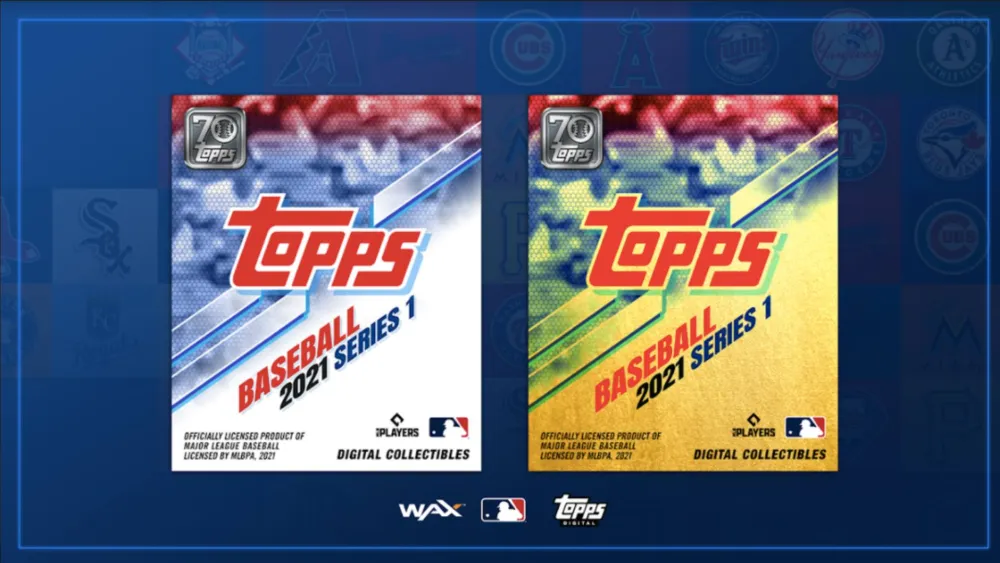
Topps famous for baseball cards launched NFT versions of its collectibles.
Why?
Because the younger generation:
- Owns fewer physical toys
- Owns more digital assets
- Values digital scarcity
Topps’ NFT launches sold out instantly.
Demand was red hot.
When you couldn’t buy directly at release, you had to purchase on secondary marketplaces like Wax-based NFT exchanges.
Lesson:
Primary supply often sells out.
Secondary markets determine real price discovery.
How to Value NFTs Properly
Like stocks, NFTs are worth what someone last paid.
Always check:
- Recent sold prices (not just listing prices)
- Multiple transactions (one sale is not a trend)
- Supply cap (e.g., 1 of 20 vs 1 of 10,000)
The lower the supply, the higher the scarcity premium.
But scarcity alone isn’t enough.
Demand must exist.
GameStop, NFTs & the Short Squeeze
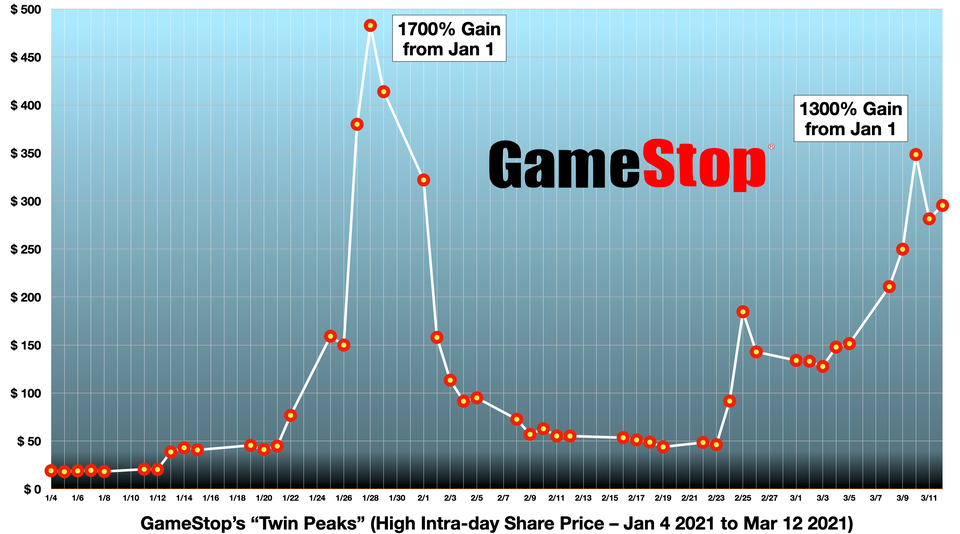
When GameStop announced NFT initiatives, the stock surged.
Why?
Because:
- Hedge funds were heavily shorting it
- Positive NFT news triggered a short squeeze
- Shorts were forced to buy shares back
This created explosive upside.
Now imagine GameStop partnering with Nintendo to release Pokémon NFTs.
The demand would likely be enormous.
The key isn’t reacting to news.
It’s anticipating it.
How to Legally Predict a Company’s NFT Strategy
This is where it gets powerful.
You can legally research future corporate direction before major announcements.
1. Search Trademark & Patent Filings
Visit:
- United States Patent and Trademark Office
- U.S. Copyright Office
Search company filings for:
- NFT trademarks
- Blockchain language
- Digital marketplace references
Companies often file before announcing.
2. Check Hiring Activity
Go to the company’s website.
Search job listings for:
- Blockchain engineers
- NFT product managers
- Web3 developers
If a company is hiring NFT engineers, they’re building something.
Recruiting reveals strategy.
When to Buy NFTs (and Stocks)
Timing matters.
Watch the CBOE Volatility Index, commonly known as the VIX.
The VIX measures fear in the market.
- VIX above 50 → Panic
- VIX elevated → Blood in the streets
- VIX low → Complacency
As Warren Buffett famously said:
Be greedy when others are fearful and fearful when others are greedy.
The best time to buy:
- When everyone else is dumping
- When volatility spikes
- When fear dominates
That applies to:
- Stocks
- Crypto
- NFTs
Skate to Where the Puck Is Going
Wayne Gretzky once said:
I skate to where the puck is going, not where it has been.
This is the core NFT strategy.
Ask:
- Will people want this in 5 years?
- Is the brand culturally relevant?
- Is supply limited?
- Is digital ownership becoming more normalized?
Buying because something is trending today is dangerous.
Buying because it will be culturally dominant tomorrow is strategic.
3 Rules for NFT Investing
- Understand Supply
Limited editions outperform mass prints. - Buy During Fear
Watch the VIX and market sentiment. - Anticipate Demand
Invest in what future investors will love.
Final Thoughts: Are NFTs Worth Buying?
Yes, but selectively.
NFTs combine:
- Scarcity economics
- Digital ownership
- Blockchain verification
- Cultural momentum
But like the 1990s sports card bubble, oversupply kills value.
Focus on:
- Strong brands
- Limited supply
- Real community interest
- Corporate backing
NFTs aren’t magic.
They’re just collectibles upgraded for the digital era.
If you understand supply, sentiment, and strategy you’re already ahead of most investors.

Leave A Comment