Let’s dive deep into one of the most disruptive innovations of our lifetime: blockchain technology.
In this post, we’ll explore the what, why, and how of blockchain, build on the security and wallet concepts, and uncover why this technology is reshaping not just cryptocurrency but the entire future of contracts, trust, and global business.
What Is Blockchain? (The Simple Explanation)
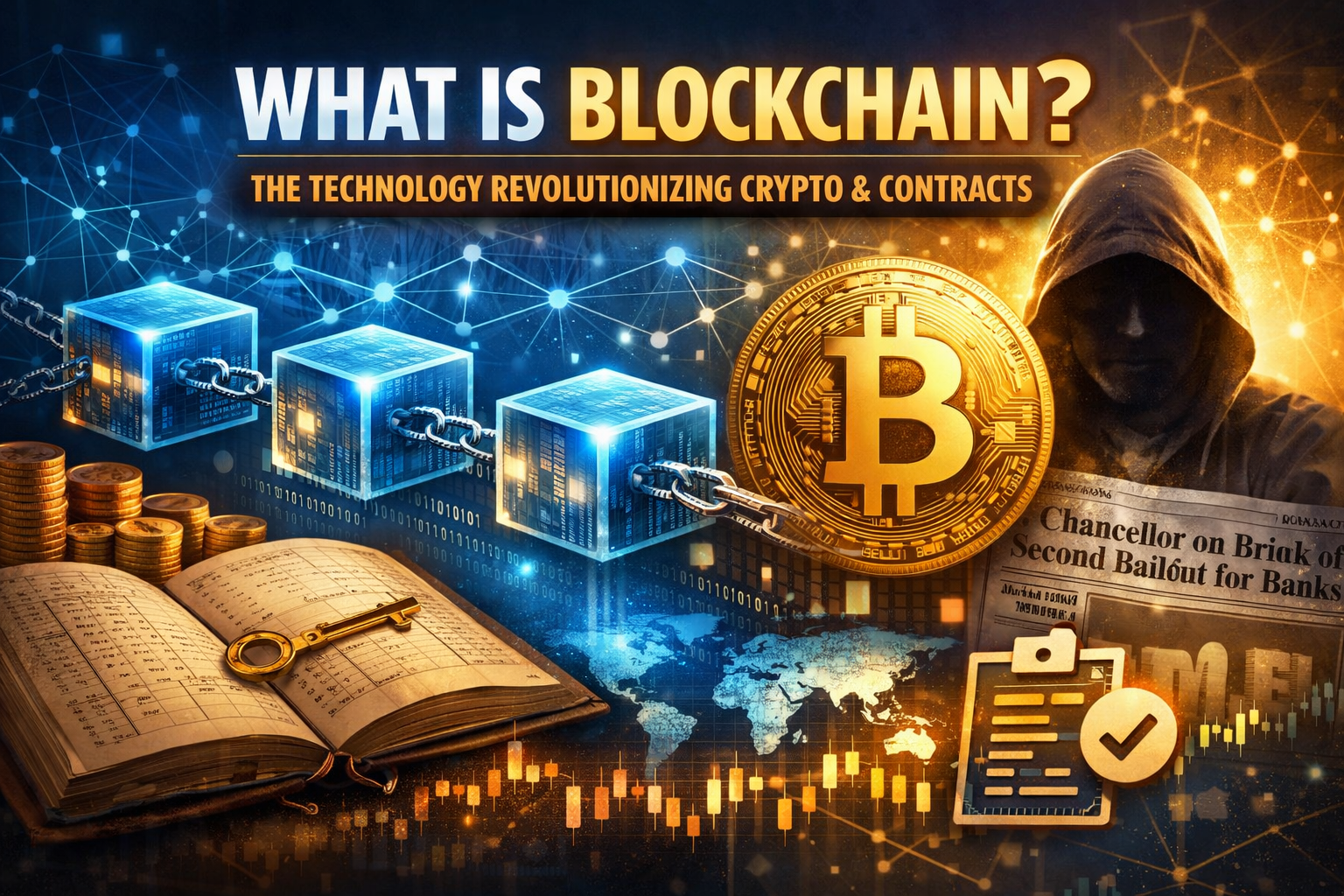
At its core, a blockchain is a digital ledger.
But unlike traditional ledgers maintained by banks or institutions, blockchain is:
- Decentralized
- Transparent
- Immutable (cannot be altered)
- Secured by cryptography
Think of it as a chain of digital blocks. Each block contains:
- Transaction data
- A timestamp
- A cryptographic hash of the previous block
When blocks are linked together, they form a secure chain hence the name blockchain.
Blockchain vs Traditional Ledgers

For centuries, businesses relied on centralized ledgers like accounting books. These ledgers:
- Are controlled by one authority
- Can be altered
- Require trust in a third party
Blockchain changes that.
Instead of trusting a bank, government, or intermediary, blockchain uses mathematics and distributed networks to verify and record transactions.
This shift is monumental.
Why Blockchain Is So Revolutionary
Blockchain isn’t just about cryptocurrency.
It’s about removing the middleman.
Traditionally, contracts and transactions require:
- Banks
- Lawyers
- Escrow services
- Payment processors
Blockchain technology allows for peer-to-peer transactions without needing these intermediaries.
This has massive implications for:
- Financial systems
- Supply chains
- Real estate
- Healthcare
- Intellectual property
- Corporate governance
In fact, it’s widely believed that every Fortune 500 company is researching how to leverage blockchain technology whether publicly acknowledged or not.
The disruption isn’t coming.
It’s already here.
How Blockchain Works (Step-by-Step)
To truly understand blockchain, it helps to visualize it from a top-down perspective.
Here’s the simplified flow:
- A transaction is requested.
- The transaction is broadcast to a distributed network of computers (nodes).
- The network validates the transaction using cryptographic algorithms.
- The verified transaction is grouped with others into a block.
- The block is added to the existing chain.
- The transaction becomes permanent and immutable.
Each block strengthens the entire chain.
And because the chain exists across thousands of computers, altering it is virtually impossible.
Preparing for Mining (What’s Coming Next)
Understanding blockchain sets the foundation for understanding mining.
Mining is the process by which:
- Transactions are validated
- Blocks are created
- New cryptocurrency is introduced into circulation
In the upcoming posts, we will explore mining in depth. But without understanding blockchain first, mining makes little sense.
That’s why this top-down learning approach is critical.
Why Was Bitcoin Created?
To truly appreciate blockchain, we must understand why Bitcoin exists.
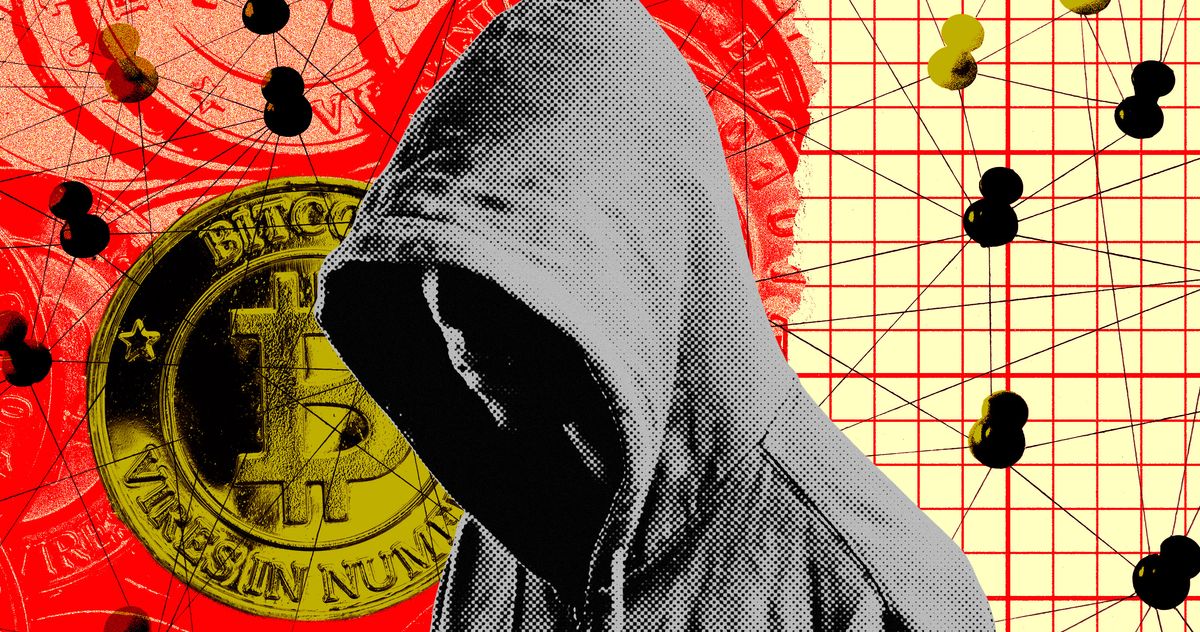
Bitcoin was introduced in 2009 following the global financial crisis. It aimed to solve a fundamental problem:
Trust.
The Genesis Block, the very first block in the Bitcoin blockchain contains a hidden message referencing bank bailouts.
This was not accidental.
It symbolized a new financial system:
- No central authority
- No money printing
- No political manipulation
The potential creator of Bitcoin, known as Satoshi Nakamoto, remains one of the greatest mysteries in modern history.
Was it one person?
A group?
A government experiment?
We don’t know.
But what we do know is that blockchain fundamentally changed how we think about money, trust, and contracts.
Cutting Out the Middleman: The Future of Smart Contracts
Blockchain doesn’t just record transactions.
It can automate contracts.
Smart contracts allow agreements to execute automatically when predefined conditions are met.
No lawyers.
No escrow agents.
No delays.
Just code.
This is why blockchain is more than a cryptocurrency innovation.
It’s a contract revolution.
Final Thoughts: Why This Matters
Blockchain is not hype.
It is a foundational shift in how value, trust, and agreements are handled globally.
The companies that adapt early will lead.
The ones that ignore it risk irrelevance.
And the individuals who understand it now will be ahead of the curve.
In the upcoming posts, we’ll dive into mining and explore how blocks are actually created and validated.
But for now, take the time to fully understand the chain.
Because once you understand the chain, you understand the future.
Leave A Comment