
Blockchain is not just about cryptocurrencies.
It’s about replacing outdated banking systems, expensive intermediaries, and fragile paper-based ledgers with a secure, transparent, decentralized digital ledger that can power money, contracts, elections, insurance systems, and more.
To understand why blockchain matters, we need to go back in time.
The Problem: Banking and Accounting Haven’t Changed Much Since the 1800s
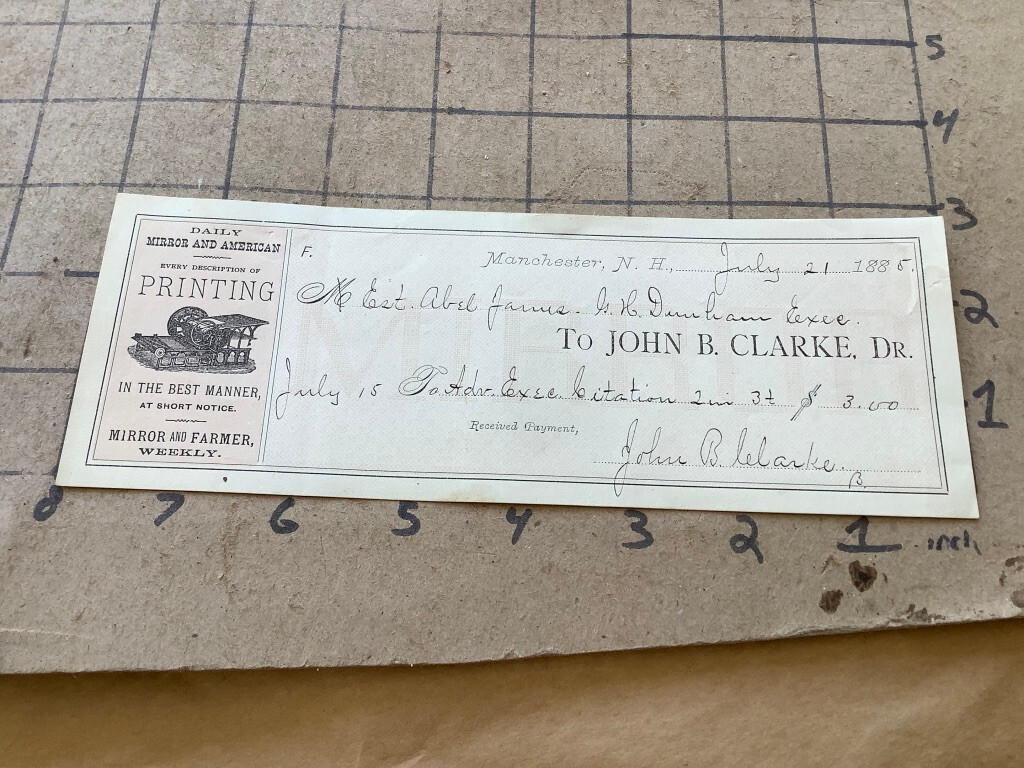
Imagine holding a check from September 1, 1885.
On that check, you’d see:
- The date
- The bank’s name
- The sender and recipient
- The amount
- Multiple bank stamps verifying authenticity
Fast forward to today. What changed?
Not much.
Modern banking still relies on:
- Central authorities
- Expensive transaction fees
- Wire transfer charges
- Legal and accounting intermediaries
- Complex verification systems
Even international transfers through companies like Western Union still carry high fees, just like they did in the 1950s.
The Ledger System: Secure? Not Really.
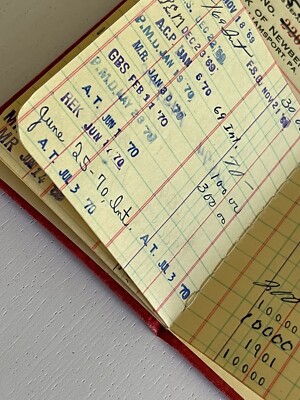
For decades, businesses relied on physical ledger books.
A farmer in 1958 might record:
- $26 from selling cream
- $92 from selling cattle
- $70 gasoline expense
- $19 heating cost
- $113 wheat sales
Every transaction carefully documented.
But here’s the issue:
- If the ledger is lost, the data is gone.
- If it burns, the history disappears.
- If someone alters it, there’s no reliable verification.
- You still pay high accounting and legal fees to reconcile everything.
Even when computers replaced paper, the structure remained centralized.
Banks still act as middlemen.
Governments still control monetary supply.
Intermediaries still take their cut.
Enter Blockchain: The Digital Ledger Revolution
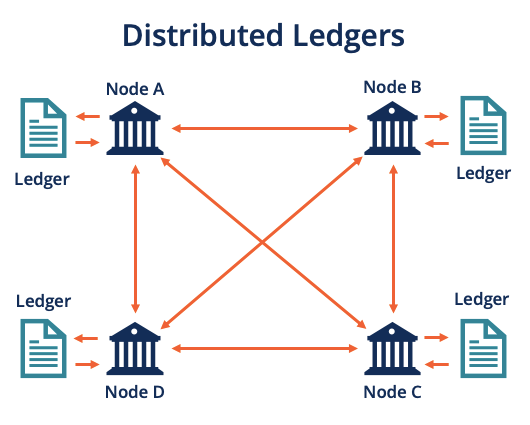
Blockchain is a digital ledger system, but radically different.
It is:
- Decentralized
- Transparent
- Immutable
- Cryptographically secured
Think of blockchain as:
Blockchain is to cryptocurrency what the internet is to email.
It’s the platform that allows digital value and smart contracts to exist securely without banks.
What Is a Block?
A block contains:
- A list of transactions
- A timestamp
- A cryptographic hash
- A link to the previous block
These blocks are chained together.
Once recorded, data cannot be altered without rewriting the entire chain, which is practically impossible due to cryptographic security.
The Genesis Block: Where It All Began
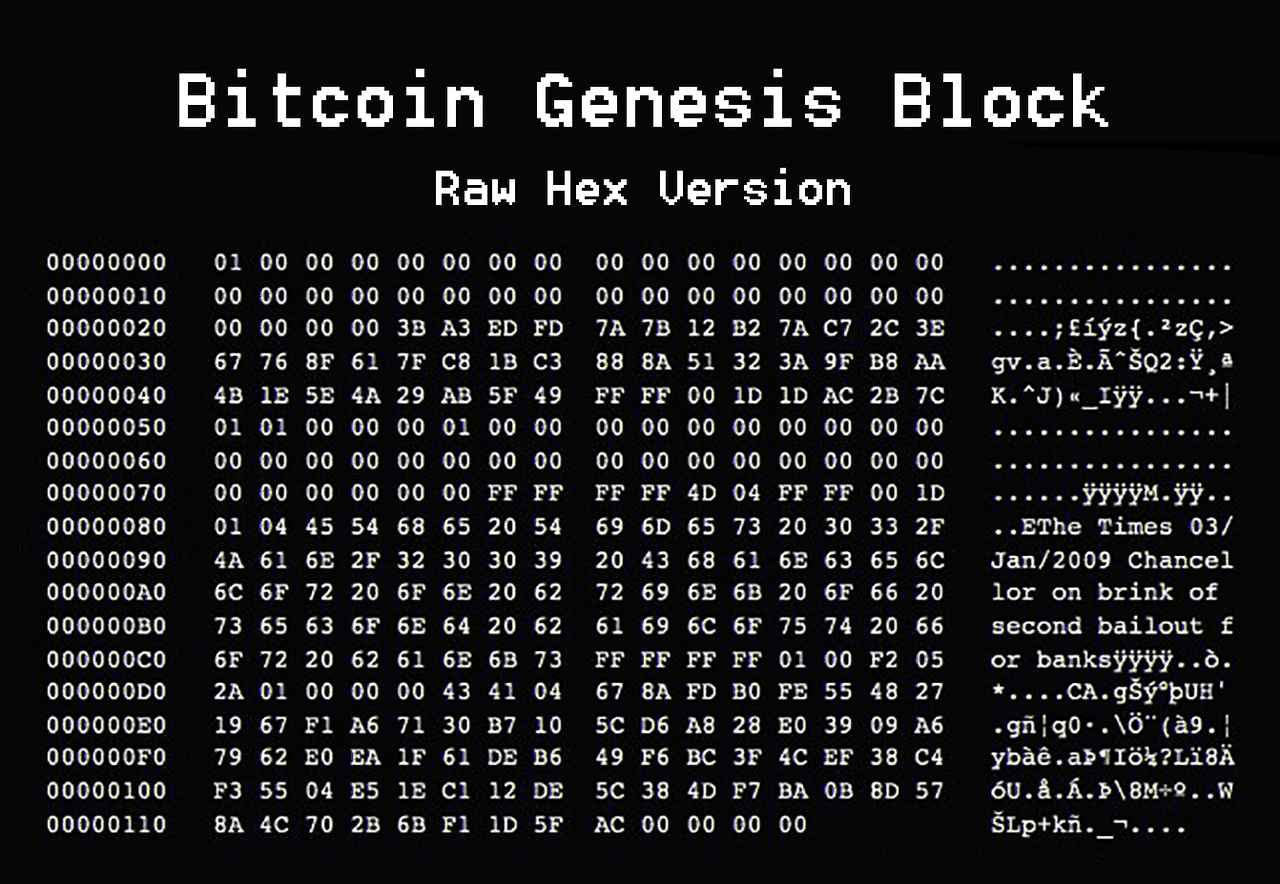
The very first Bitcoin block was called the Genesis Block.
It was created on January 12, 2009, by Satoshi Nakamoto.
Inside that first block was a message referencing a headline from The Times:
“Chancellor on brink of second bailout for banks.”
This was not random.
It was a statement.
A protest against the traditional banking system.
In the early days, you could buy 1,300 Bitcoin for $1.
Today, that block is permanently etched into history.
How Blockchain Solves the Farmer’s Problems
Let’s revisit our fictional 1958 farmer.
He paid:
- High banking fees
- Wire transfer fees
- Accounting fees
- Legal contract fees
- Insurance and underwriting costs
With blockchain:
1. Fewer Middlemen
Smart contracts can automate agreements, reducing reliance on lawyers and accountants.
2. Lower Transaction Costs
Peer-to-peer transfers remove expensive banking infrastructure.
3. Global Access
Anyone with internet access can transact, even the unbanked.
4. Permanent Transparency
Every transaction is recorded and visible.
5. Stronger Security
Blockchain uses cryptographic hashing (like SHA-256 in Bitcoin) to secure transactions.
What About Smart Contracts?
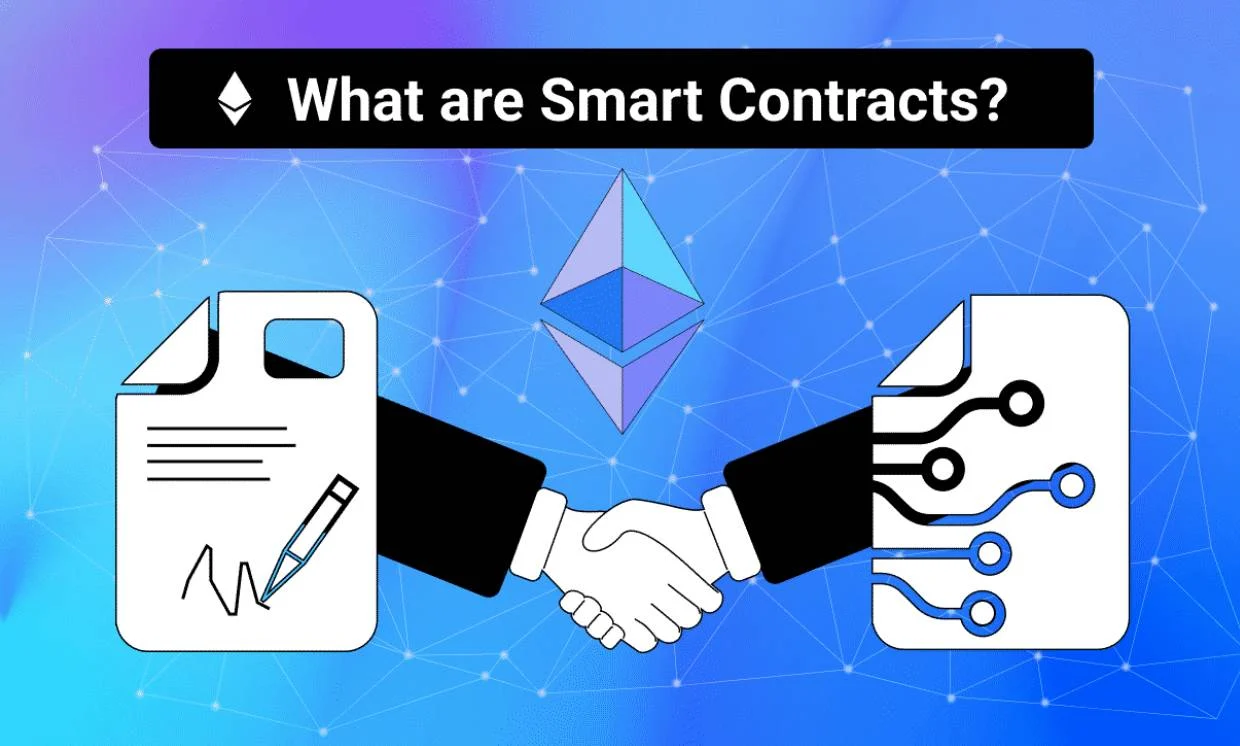
Blockchain isn’t just about digital money.
It enables:
- Smart contracts
- Supply chain tracking
- Digital identity
- Secure voting systems
- Decentralized finance (DeFi)
- Tokenized assets
Smart contracts execute automatically when conditions are met.
No lawyers.
No paperwork.
No waiting weeks for settlement.
Just code.
Why Blockchain Matters for the Future of Money
Governments control the supply of fiat currency.
Banks charge fees for access to your own money.
Transaction systems remain slow and expensive.
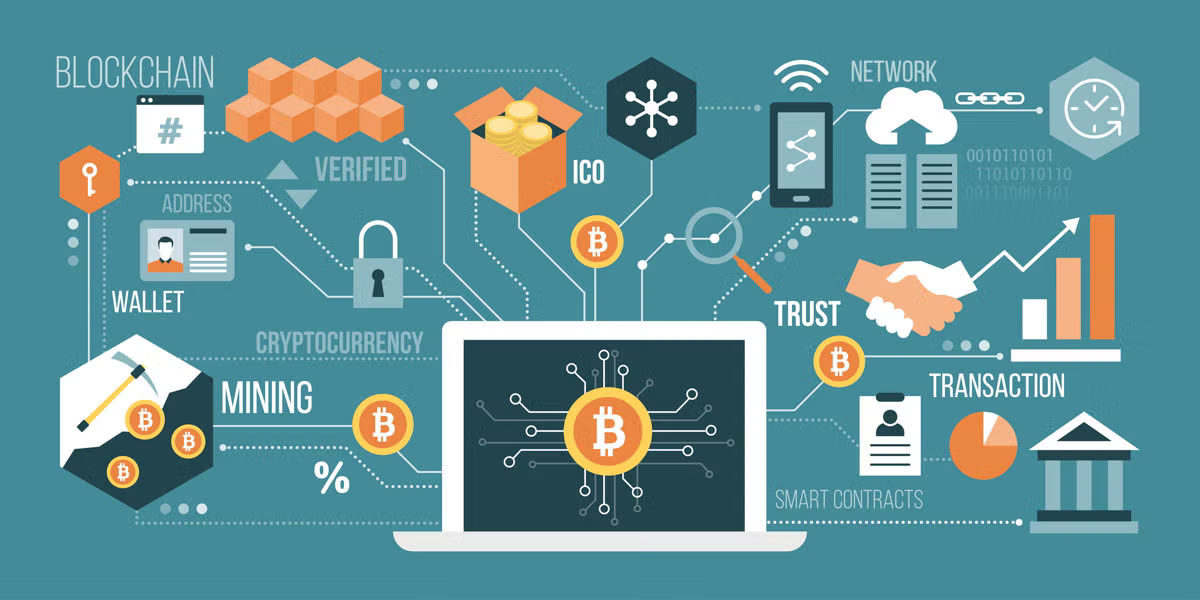
Blockchain changes the architecture entirely.
It creates:
- A shared ledger
- Distributed verification
- Mathematical trust
- Reduced reliance on centralized authorities
In simple terms:
Instead of trusting institutions, you trust math.
Is Blockchain Perfect?
No technology is perfect.
Blockchain still faces challenges:
- Scalability
- Energy usage
- Regulatory uncertainty
- User education
But as infrastructure improves, its potential extends far beyond cryptocurrency.
Final Thoughts: From Paper to Protocol
From 1885 paper checks…
To 1958 ledger books…
To centralized digital banking…
We’ve been evolving, but slowly.
Blockchain represents the first true structural upgrade to how humanity records and transfers value.
It reduces fees.
Increases transparency.
Improves security.
And democratizes access to financial systems.
The question isn’t whether blockchain matters.
The question is:
Will you understand it before the next financial revolution accelerates?
Frequently Asked Questions (FAQ)
What is blockchain in simple terms?
A decentralized digital ledger that records transactions securely and transparently.
Is blockchain only for cryptocurrency?
No. It powers smart contracts, digital identity systems, voting platforms, supply chains, and more.
Who created Bitcoin?
Bitcoin was created by Satoshi Nakamoto, a pseudonymous developer (or group).
What is the Genesis Block?
The first block in the Bitcoin blockchain, created in January 2009.
If you want to understand cryptocurrency properly, start with blockchain.
Because crypto is just the surface.
Blockchain is the foundation.

Leave A Comment