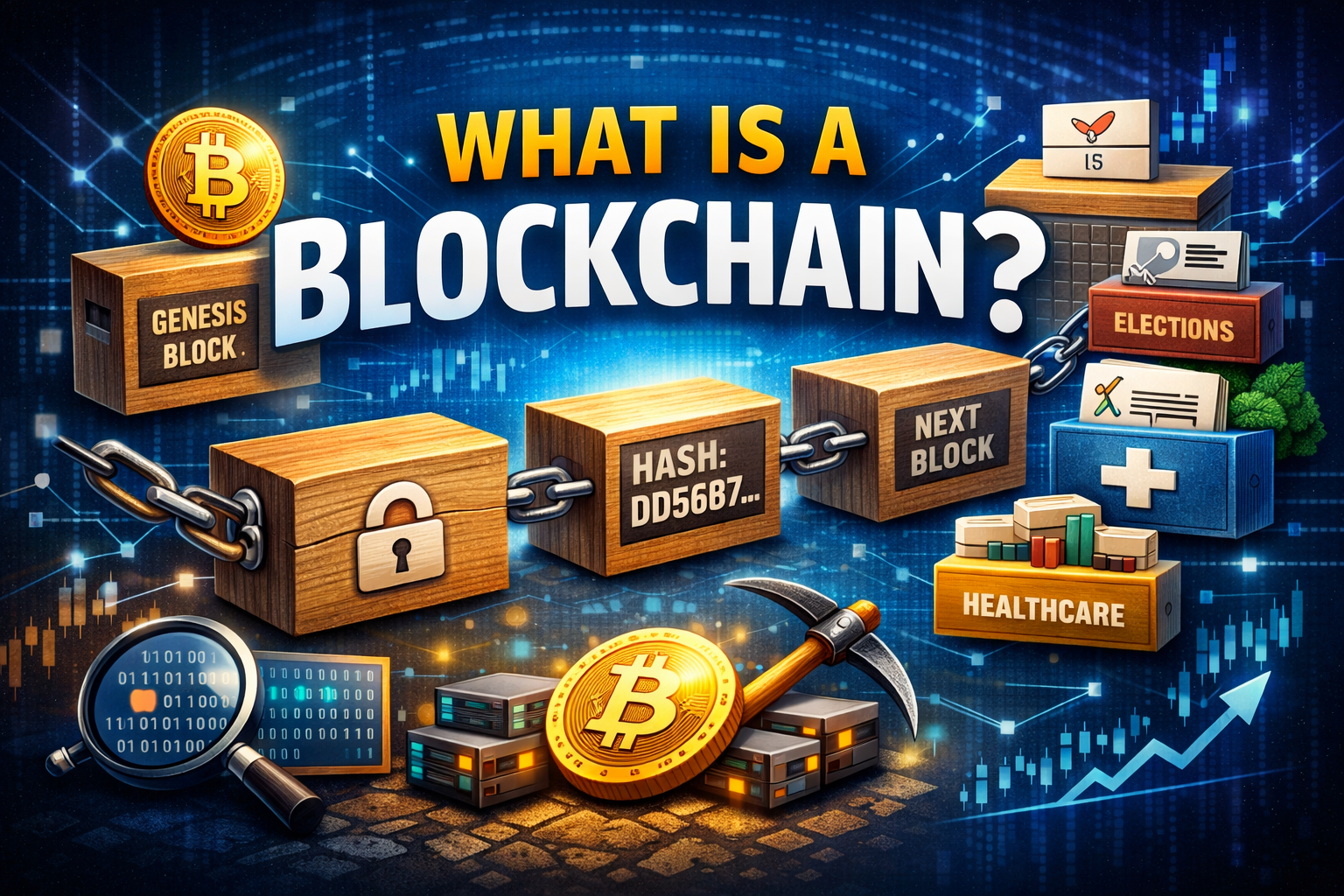
If you’ve ever wondered what a blockchain actually is, you’re not alone.
People throw around terms like SHA-256, hashing, mining, and distributed ledger, but rarely explain them in a way that actually makes sense.
So let’s break it down in a simple way.
Imagine a wooden block.
Now imagine stacking blocks together.
Each block contains information.
And each block is permanently linked to the one before it.
That’s a blockchain.
The Genesis Block: Where It All Begins
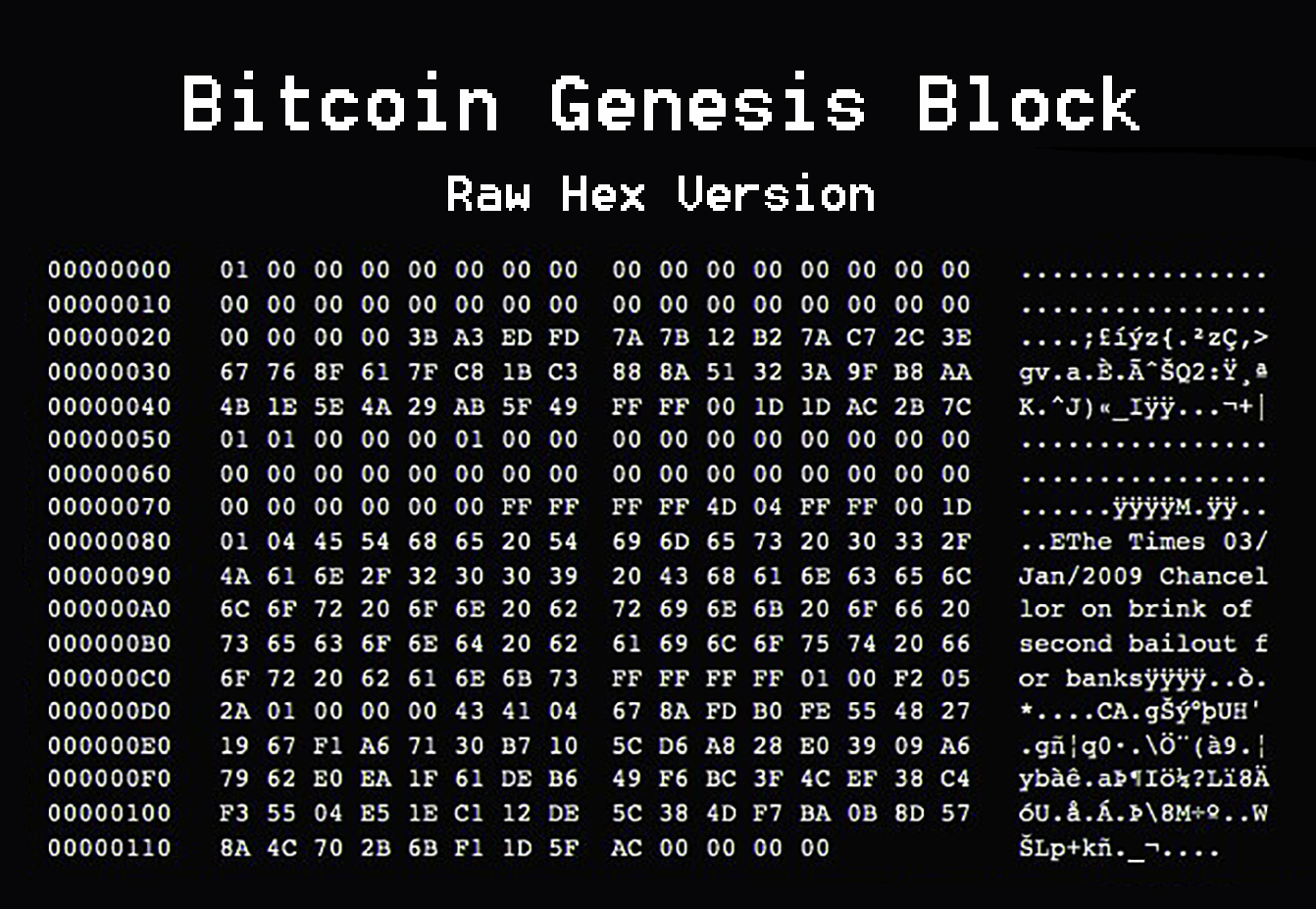
Every blockchain starts with a first block, known as the Genesis Block.
In the case of Bitcoin, this is Block #0.
Each new block must reference the previous block. That’s how the chain is formed.
Think of it like this:
- Block #1 contains data.
- Block #2 contains data plus a reference (hash) to Block #1.
- Block #3 contains data plus a reference to Block #2.
- And so on.
That reference is what makes the chain secure.
What Is a Hash? (And Why SHA-256 Matters)
Earlier, when learning about cryptography, we discussed SHA-256.
SHA-256 is a cryptographic hashing function used by Bitcoin.
Here’s what it does:
- Takes any amount of input data
- Converts it into a fixed 64-character string
- That output is called a hash
Example:
“$26 from selling cream and $92 from selling cattle…”
Becomes something like:
dd56b7...(64 characters total)
Even the smallest change in the input completely changes the hash.
That’s powerful.
Because now each block contains:
- Transaction data
- A SHA-256 hash of that data
- The hash of the previous block
This creates cryptographic integrity.
Why Blocks Are Permanent
When a block is added to the blockchain:
- It’s timestamped
- It’s hashed
- It references the previous block
- It’s distributed across thousands of computers worldwide
This makes it practically impossible to alter.
Unlike a traditional paper ledger (like a farmer’s notebook tracking sales), blockchain data:
- Cannot be erased
- Cannot be quietly modified
- Cannot be “lost”
There are distributed copies everywhere.
That’s why it’s called a distributed ledger.
How Often Are Blocks Created?
In the case of Bitcoin:
- A new block is created roughly every 10 minutes
- Miners compete to validate transactions
- The winning miner receives a block reward
Back in 2015, the reward was 25 Bitcoin.
Then it became 12.5 Bitcoin.
Then 6.25 Bitcoin.
This event is called a halving, and it happens roughly every four years.
That decreasing reward system controls supply and is one reason Bitcoin has scarcity built into its design.
What Can Be Stored on a Blockchain?
Blockchain is not just about sending money.
It’s about secure, transparent, permanent data storage.
Here are just a few future (and current) use cases:
1. Election Data
Tamper-proof voting systems.
2. Smart Contracts
Sports contracts, lease agreements, business agreements.
3. Vehicle Titles
Car ownership records stored permanently.
4. Healthcare Data
Secure medical records with better privacy control.
5. Historical Archives
Permanent records that cannot be destroyed.
6. Digital Media & NFTs
Artists, music, collectibles.
The possibilities are massive.
Why Blockchain Is Better Than Traditional Ledgers
Let’s compare:
| Traditional Ledger | Blockchain |
|---|---|
| Can be lost | Distributed globally |
| Can be altered | Cryptographically secured |
| Centralized | Decentralized |
| Limited transparency | Fully transparent |
| Easy to destroy | Practically permanent |
Blockchain is simply a more secure evolution of record-keeping.
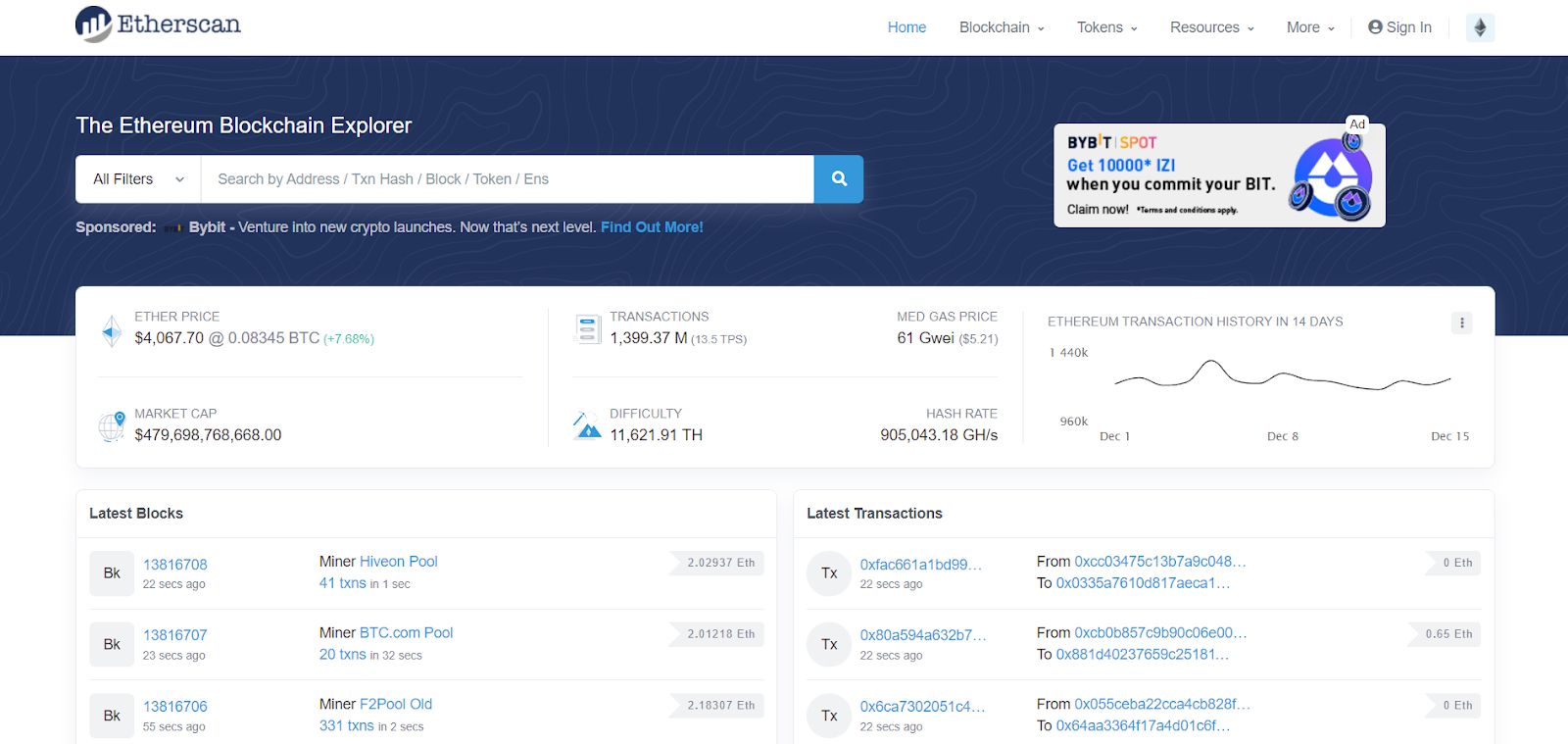
Viewing Real Blocks on the Blockchain
You can actually explore real blocks yourself.
For example:
- Block #341670 (from 2015)
- Block #341671 (the next block)
Each block contains:
- Previous block hash
- Transaction data
- Mining reward
- Timestamp
- Nonce
When you see how one block references the previous block’s hash that’s your “aha” moment.
You realize:
This system is mathematically chained together.
Break one block, and you break the entire chain.
And that’s nearly impossible due to network consensus and distributed copies.
How Big Is the Blockchain?
The Bitcoin blockchain is massive.
You can technically download the entire blockchain if you want.
But it’s huge.
Because every transaction since 2009 is permanently recorded.
And every 10 minutes, another block is added.
Forever.
Final Thoughts: Why This Matters
Understanding blockchain fundamentals is critical before investing in crypto.
You need to understand:
- What hashing does
- Why SHA-256 matters
- How blocks reference each other
- Why immutability creates trust
- How mining secures the network
Blockchain is not just digital money.
It’s a new way of securing information.
And once you understand that each block references the previous one using cryptographic hashing, the entire system clicks.
In the next step of your learning journey, you’ll want to understand mining how blocks are created and why miners are rewarded.
That’s where things get really interesting.




Leave A Comment