Now that you understand crypto security, wallets, and blockchain, it’s time to explore one of the most exciting parts of cryptocurrency:
Mining.
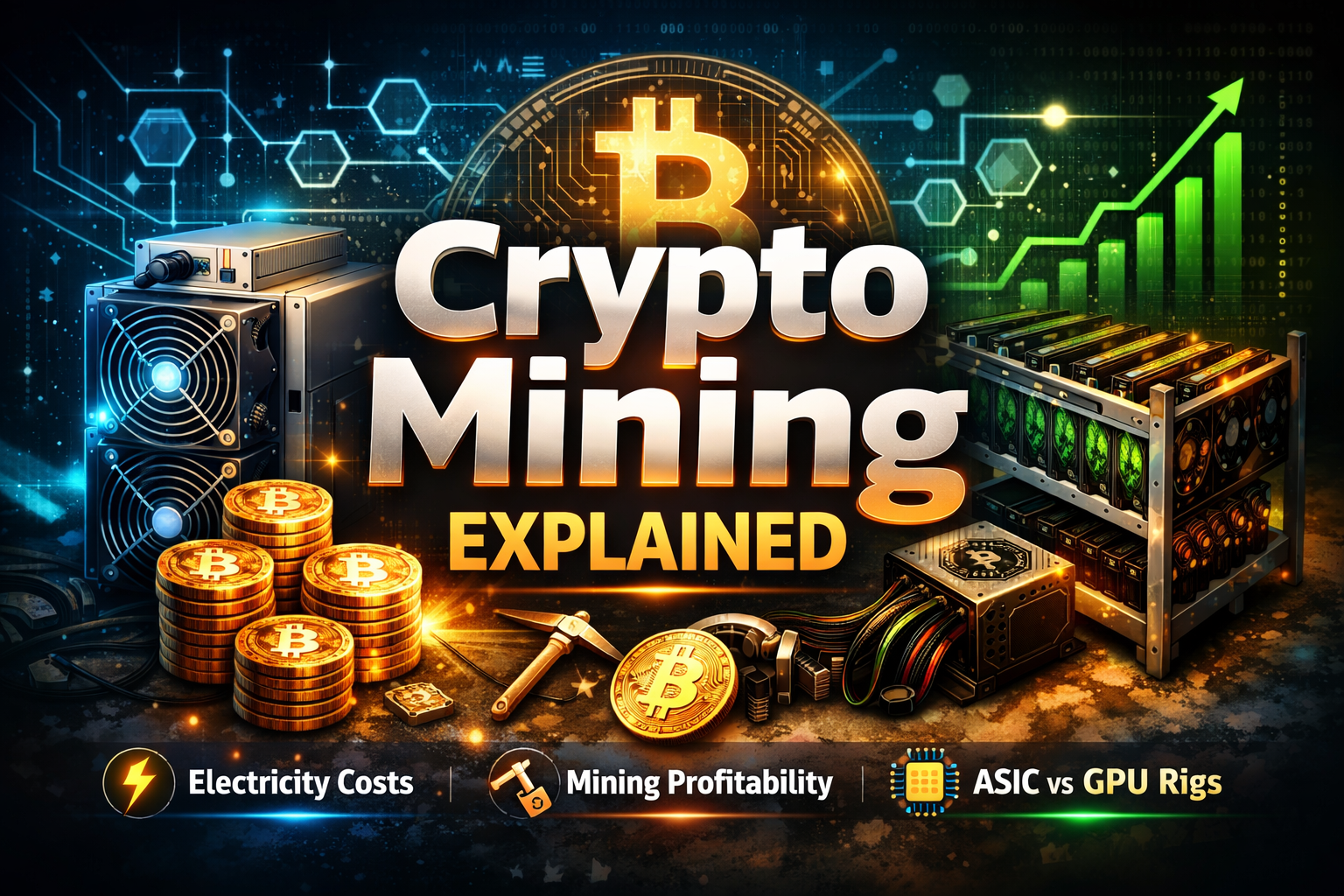
In this guide, we’ll break down:
- What crypto mining is
- How Bitcoin mining works
- The difference between ASIC miners and custom mining rigs
- Why electricity costs matter more than hardware
- How to calculate mining profitability
- What beginners must understand before spending a dollar
By the end, you’ll understand mining from a foundational level without hype, without confusion, and without risking unnecessary money.
What Is Cryptocurrency Mining?
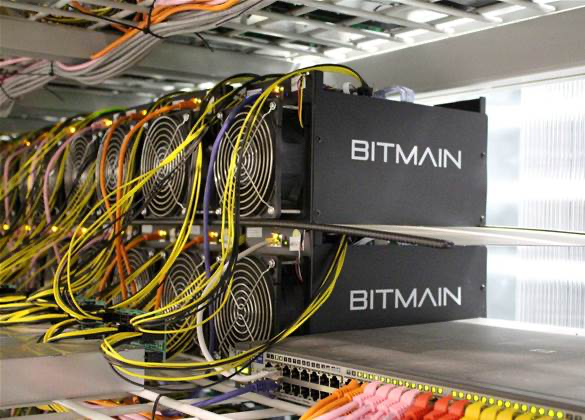
Cryptocurrency mining is the process of:
- Verifying blockchain transactions
- Securing the network
- Adding new blocks to the blockchain
- Earning crypto rewards in return
For example, on the Bitcoin network, miners compete to solve complex cryptographic puzzles. The first one to solve it:
- Adds the next block
- Receives newly minted Bitcoin
- Earns transaction fees
Mining is what keeps decentralized networks secure.
Without miners, there is no blockchain integrity.
How Bitcoin Mining Works (Simple Explanation)
Here’s the high-level flow:
- Transactions are broadcast to the network
- Miners bundle them into a block
- Miners compete to solve a cryptographic hash puzzle
- The winner adds the block
- The network verifies it
- The miner receives rewards
This process relies on SHA-256 hashing, which is the cryptographic algorithm Bitcoin uses.
Mining is essentially a global computational race.
Mining Hardware: ASIC vs Custom Mining Computers
There are two primary ways to mine cryptocurrencies:
1️⃣ ASIC Miners (Application-Specific Integrated Circuits)
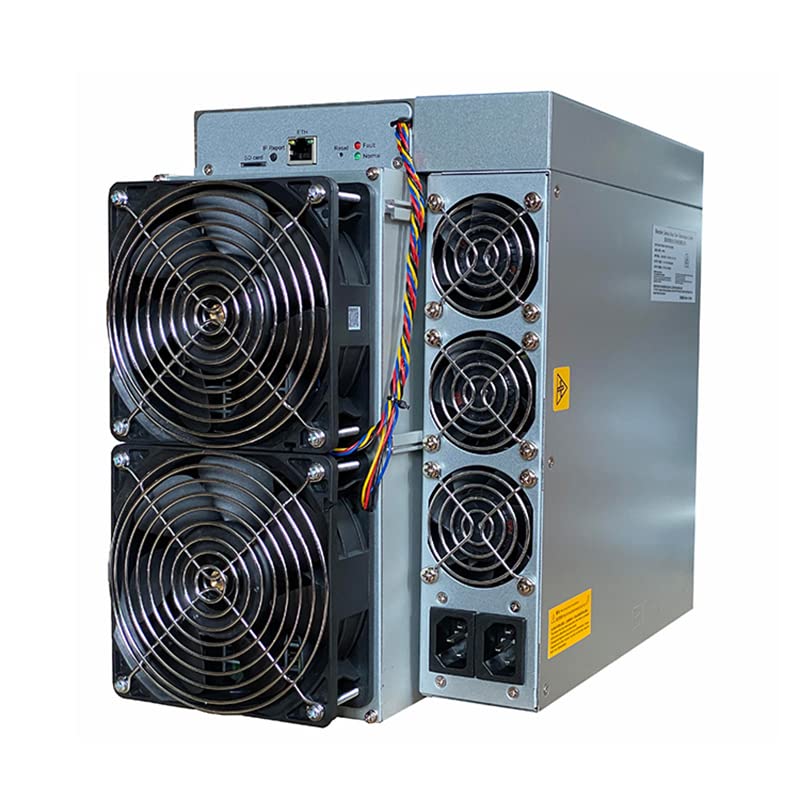
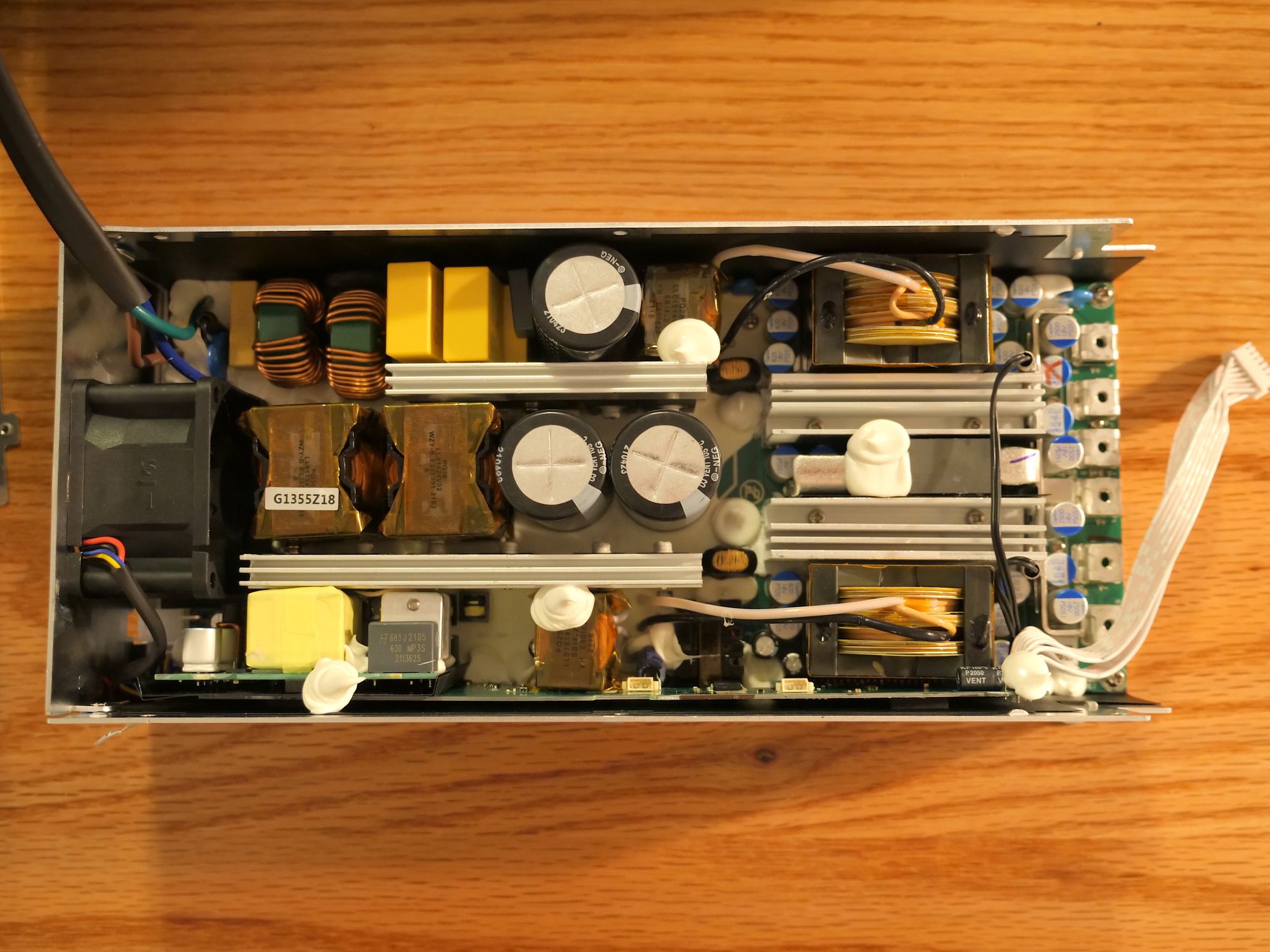
ASIC miners are specialized machines built to do one thing only:
Mine a specific cryptocurrency.
A well-known manufacturer is Bitmain, which produces the Antminer series.
Key Characteristics:
- Extremely powerful
- Very loud
- Consume significant electricity
- Cannot perform general computing tasks
- Become obsolete quickly
Older ASICs often stop being profitable as mining difficulty increases.
2️⃣ Custom-Built Mining Computers (GPU Rigs)
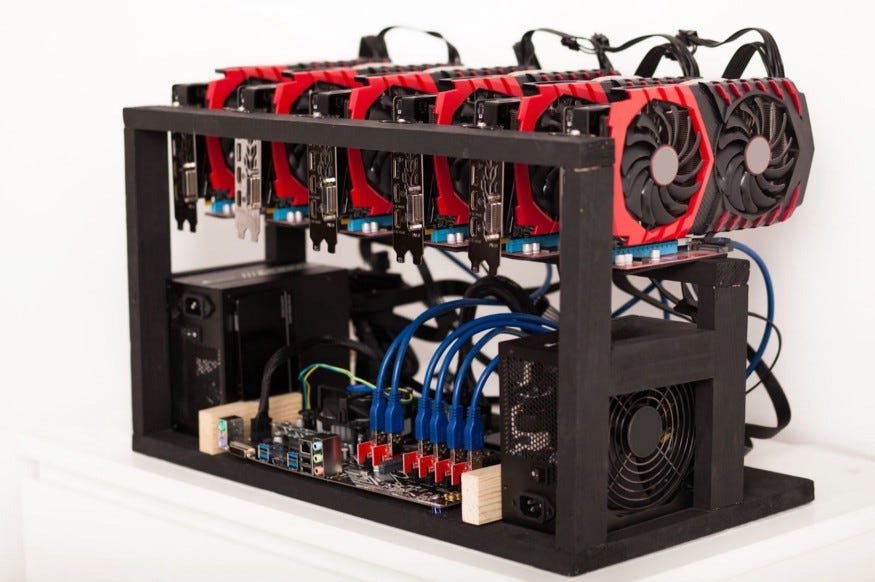
You can also build a mining computer from scratch using:
- Motherboard
- CPU
- RAM
- GPUs
- Power supply
- Cooling system
This approach allows flexibility and can mine various cryptocurrencies.
It’s ideal for learning and understanding how mining components work together.
The Most Important Factor: Electricity Costs
Here’s the part most beginners ignore:
Electricity matters more than hardware cost.
Mining machines consume large amounts of power, measured in watts.
For example:
- A 100-watt device running 24/7 uses ~876 kWh per year
- Larger mining units may consume 3,000+ watts continuously
To calculate yearly electricity cost:
Watts × Hours per day × 365 ÷ 1000 = kWh per year
kWh × Electricity rate = Annual cost
If your electricity costs are high, mining may be unprofitable even with powerful hardware.
This is why many mining farms operate in regions with cheap electricity.
Mining Profitability: What You MUST Know Before Buying Equipment
Before purchasing anything, ask:
- What is the mining difficulty?
- What is the current block reward?
- What is the market price of the cryptocurrency?
- What is my electricity cost per kWh?
- How quickly will this hardware become outdated?
Many beginners make the mistake of:
- Buying hardware first
- Learning later
That’s backwards.
Always understand profitability first.
Why Mining Difficulty Increases Over Time
Bitcoin mining becomes harder as:
- More miners join
- More hash power is added
- Network security increases
Older devices become inefficient quickly.
This is why older Antminers may no longer be profitable today.
Mining is highly competitive and evolves constantly.
Can You Still Mine Bitcoin Profitably?
It depends on:
- Your electricity rate
- Your hardware efficiency
- The Bitcoin price
- Network difficulty
For most home users with high electricity costs, direct Bitcoin mining may not be profitable.
However, understanding mining is still critical because:
- It teaches you how blockchain security works
- It helps you evaluate new cryptocurrencies
- It prepares you for researching ICOs and future projects
Mining knowledge is foundational crypto knowledge.
Mining Knowledge Applies to Future Cryptocurrencies
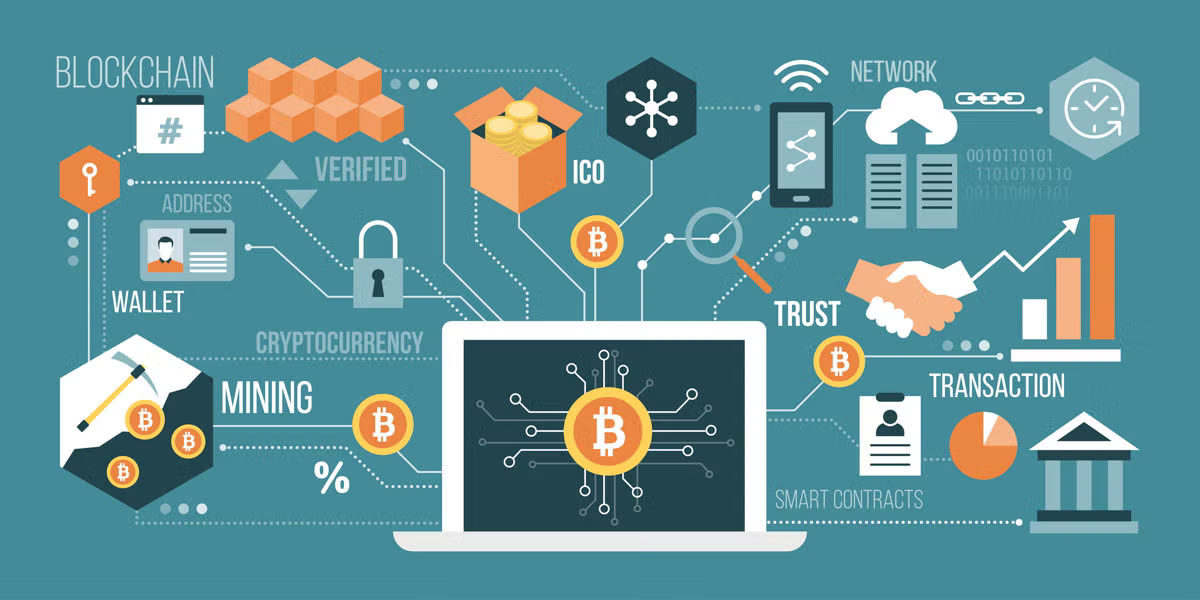
Even if you don’t mine today, understanding:
- Hashing
- Incentives
- Hardware efficiency
- Energy consumption
- Network security
Helps you evaluate:
- New crypto projects
- Token economics
- Mining-based coins
- Emerging blockchain innovations
These principles apply even to cryptocurrencies that haven’t been invented yet.
What Comes After Mining?
Once you understand mining:
- You’re ready to explore different cryptocurrencies
- You can evaluate long-term investment potential
- You can research projects intelligently
- You avoid blindly buying based on hype
This is why learning foundations matters before investing.
Never buy a cryptocurrency until you understand:
- Security
- Wallets
- Blockchain
- Mining
Final Thoughts: Learn Before You Spend
Mining is fascinating.
It’s technical.
It’s competitive.
It’s capital-intensive.
It’s energy-intensive.
But most importantly:
It’s foundational to understanding crypto.
Before you spend a single dollar on:
- ASIC miners
- GPUs
- Power supplies
- Electricity upgrades
Make sure you understand the process thoroughly.
Crypto rewards knowledge.
It punishes impulse.
Learn first.
Invest second.




Leave A Comment