
Now that you understand cold wallets, hot wallets, mining, blockchain technology, and security fundamentals, it is time to zoom out and explore the broader cryptocurrency landscape.
Before diving deep into any single coin, it is critical to understand the big picture. In this guide, we will introduce more than ten major cryptocurrencies from a high level perspective so that later, when you apply a structured investment framework, your analysis becomes much clearer and more strategic.
This top down approach makes bottom up analysis far easier.
What Is an Altcoin?
When you hear the term altcoin, it simply means any cryptocurrency that is not Bitcoin.
There are thousands of altcoins today. Some are innovative and solve real problems. Others are low quality or speculative. The reason altcoins exist is simple:
Every cryptocurrency has limitations.
Altcoins attempt to solve what Bitcoin does not do well enough.
Understanding these differences is essential before building a diversified crypto portfolio.
Understanding Market Capitalization in Crypto
Before analyzing specific cryptocurrencies, you need to understand market capitalization.
In traditional stock markets, market cap equals:
Outstanding shares × Share price
In cryptocurrency, market cap equals:
Available coin supply × Current price
A helpful resource for this data is CoinMarketCap.
When you visit CoinMarketCap, you can:
- Sort cryptocurrencies by market cap
- View circulating supply
- Check maximum supply
- Compare price movements
- Identify crypto tickers such as BTC, ETH, XRP
For example:
- BTC = Bitcoin
- ETH = Ethereum
- XRP = Ripple
These tickers are used when building diversified portfolios.
Bitcoin: The First Mover Advantage

Bitcoin is the original cryptocurrency and remains the largest by market capitalization.
Key characteristics:
- Maximum supply of 21 million coins
- Uses SHA 256 encryption
- Decentralized proof of work network
- Store of value narrative similar to gold
Bitcoin has first mover advantage. Much like dominant tech platforms in the past, early leadership created enormous network effects.
However, Bitcoin has limitations:
- Slower transaction speeds
- Smaller block size
- Scalability constraints
These limitations led to the creation of altcoins.
Ethereum: The Smart Contract Platform

Launched in 2015, Ethereum is much more than a cryptocurrency.
Ethereum is:
- A blockchain platform
- A smart contract ecosystem
- A programmable financial infrastructure
Unlike Bitcoin, Ethereum enables developers to build decentralized applications using its scripting language.
Why Ethereum matters:
- Faster block times than Bitcoin
- Supports decentralized finance
- Powers thousands of tokens
- Acts as infrastructure, not just digital money
If Bitcoin is digital gold, Ethereum is programmable finance.
XRP: Banking Focused Payments

XRP was developed by Ripple Labs with a strong focus on financial institutions and cross border payments.
Unlike Bitcoin and Ethereum:
- XRP does not rely on traditional blockchain mining
- It focuses on payment settlement systems
- It aims to serve banks and fintech institutions
Ripple has attracted high profile investors and has raised substantial capital.
Its goal is clear: become a bridge asset for global financial transfers.
Litecoin: Faster Transactions
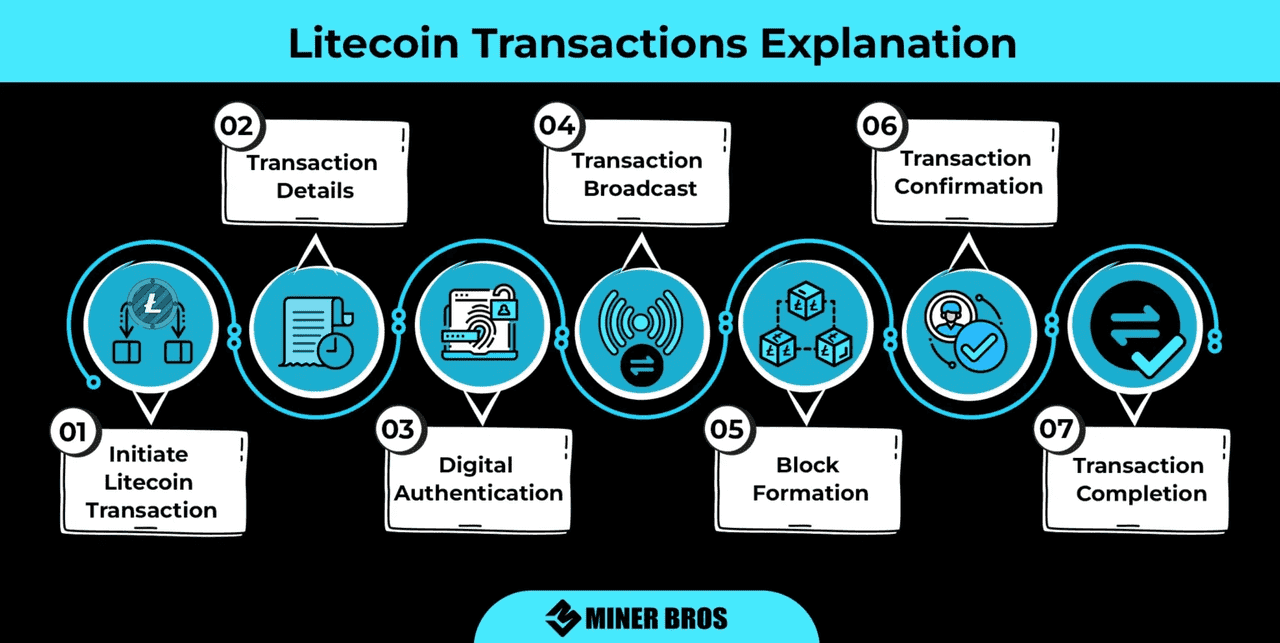
Created in 2011 by Charlie Lee, Litecoin was designed to complement Bitcoin, not replace it.
Key advantages:
- Faster transaction confirmation times
- Enhanced storage efficiency
- Strong liquidity and industry support
Many investors view Litecoin as suitable for smaller, everyday transactions while Bitcoin serves as long term value storage.
Litecoin addresses Bitcoin’s speed and scalability constraints.
Bitcoin Cash: Bigger Blocks

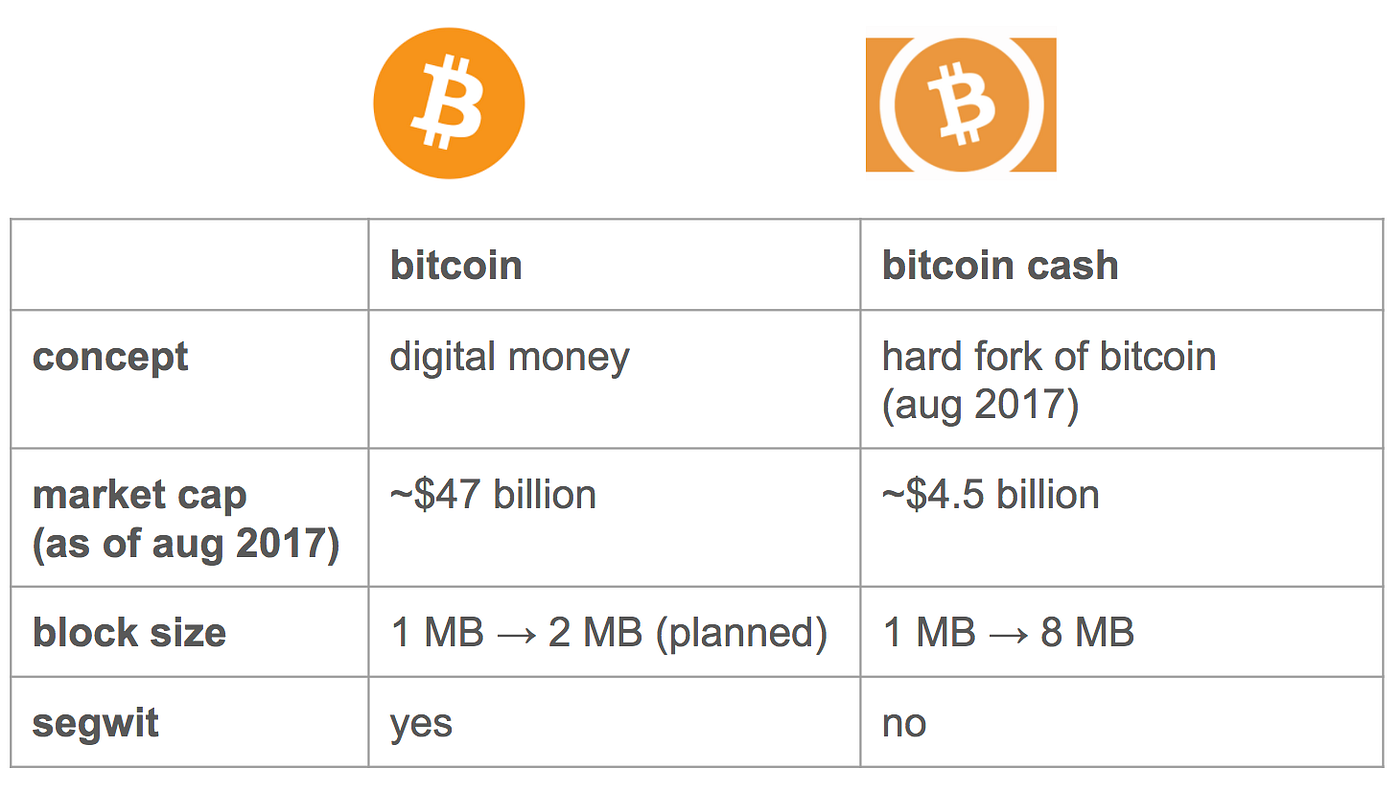
Bitcoin Cash is a fork of Bitcoin.
A fork occurs when a cryptocurrency splits from its original protocol to introduce changes.
The primary difference:
- Bitcoin block size: 1 MB
- Bitcoin Cash block size: 8 MB
Larger block sizes allow more transactions per block.
Bitcoin Cash was created to improve transaction throughput and scalability.
Other forks include Bitcoin Gold and Bitcoin Diamond.
NEO: The Chinese Ethereum


NEO is often referred to as the Chinese Ethereum.
It focuses on:
- Smart contracts
- Digital identity
- Asset digitization
- Government aligned blockchain development
Certain governments prefer domestically aligned blockchain platforms for geopolitical and regulatory reasons.
NEO attempts to fill that regional demand.
Why So Many Cryptocurrencies Exist
There are thousands of cryptocurrencies today. This is not random.
Each cryptocurrency attempts to:
- Improve speed
- Increase scalability
- Enhance privacy
- Lower transaction costs
- Provide smart contract functionality
- Serve specific industries
Some solve real problems. Others do not.
This is why due diligence and structured investment frameworks matter.
Diversification in Cryptocurrency Investing
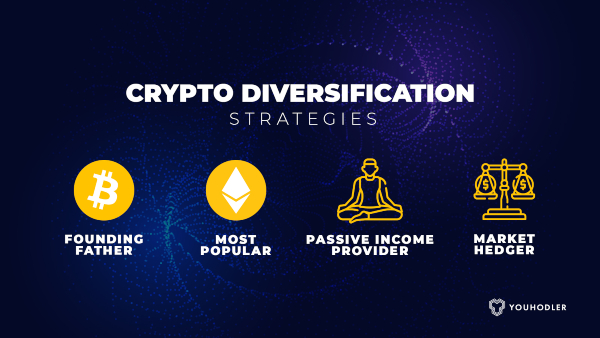
When constructing a cryptocurrency portfolio:
- Avoid putting all capital into one coin
- Understand different use cases
- Analyze market cap size
- Compare supply metrics
- Study block time differences
- Evaluate security algorithms
Diversification reduces risk in an extremely volatile asset class.
Before deeply researching individual coins, it is essential to understand how the overall ecosystem functions.
Security Algorithms and Mining Differences
Different cryptocurrencies use different hashing algorithms.
For example:
- Bitcoin uses SHA 256
- Ethereum historically used Ethash
- Other altcoins use variations designed for different mining ecosystems
These algorithm differences affect:
- Mining hardware requirements
- Energy consumption
- Network decentralization
- Security models
Understanding these technical differences becomes critical when evaluating long term sustainability.
The Top Down Approach to Crypto Analysis
Instead of jumping directly into individual coins:
- Understand blockchain fundamentals
- Learn wallet security
- Study mining mechanisms
- Analyze market cap and supply
- Compare use cases
- Apply an investment framework
- Then drill down into individual projects
This structured approach prevents emotional decision making and reduces the risk of buying into hype driven tokens.
Final Thoughts
The cryptocurrency market is massive and constantly evolving.
Some coins address real technological limitations. Others attempt to capitalize on speculation. Your job as an investor is not to chase hype but to understand:
- Supply mechanics
- Market capitalization
- Utility
- Security
- Adoption
- Platform strength
By starting high level and gradually drilling down, you build clarity before committing capital.
In the next phase of your learning journey, deeper analysis of each cryptocurrency will make far more sense because you now understand the ecosystem as a whole.




Leave A Comment