The cryptocurrency market moves at lightning speed. New coins emerge, old ones fork, and entire generations of blockchain technology evolve in just a few years.
In this guide, we break down some of the most important cryptocurrencies beyond Bitcoin and Ethereum, including Stellar, Cardano, Monero, EOS, Dash, and Zcash.
Stellar: Power to the People

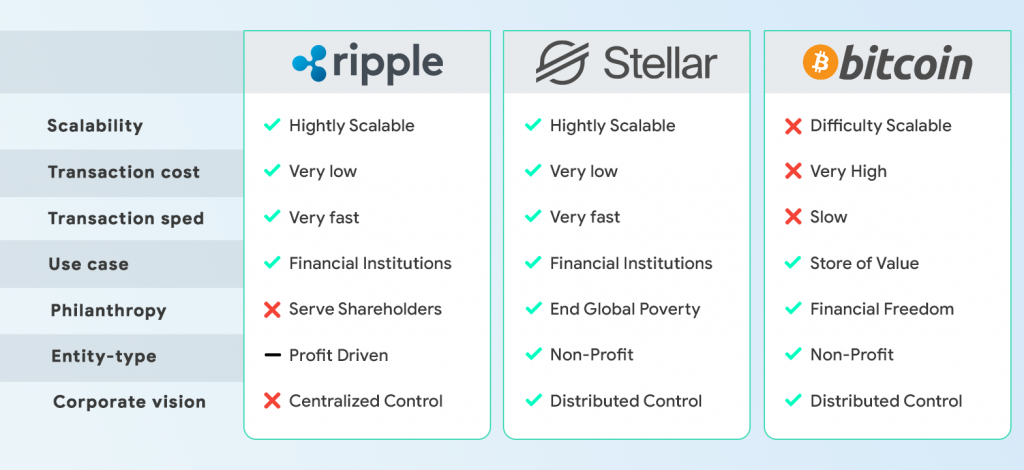
Stellar was created after a disagreement within the Ripple team.
One of Ripple’s founders believed banks had too much power within Ripple’s ecosystem and wanted a more people focused alternative.
That vision became Stellar.
While Ripple focuses heavily on financial institutions, Stellar is designed for peer to peer transactions.
It aims to make sending money across borders faster, cheaper, and more accessible for individuals.
Think of Stellar as a fork in philosophy. Instead of prioritizing banks, it emphasizes decentralization and financial inclusion for everyday users.
Cardano: The Third Generation of Cryptocurrency
Cardano, founded in 2017, is often described as a third generation cryptocurrency.
Here is the simplest way to understand the evolution:
- Bitcoin was the first generation. It introduced decentralized money but suffers from speed and scaling limitations.
- Ethereum became the second generation. It added smart contracts and decentralized applications.
- Cardano is considered by many to be the third generation. It aims to improve speed, scalability, and interoperability.
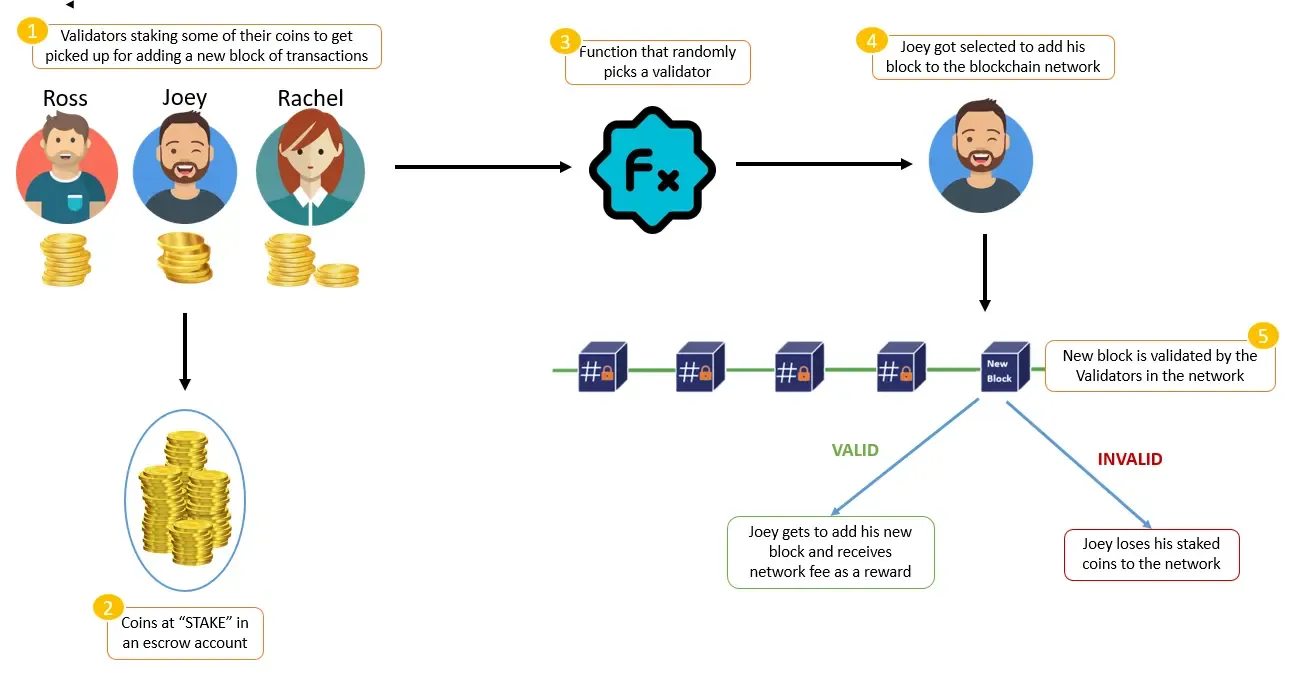
Cardano uses a Proof of Stake system with selected validators known as slot leaders.
This is a simplified explanation, but it introduces an important idea: not everyone mines Cardano the way Bitcoin is mined.
One of Cardano’s biggest goals is interoperability. The team is working to enable Cardano to communicate with other major cryptocurrencies such as Bitcoin, Ethereum, and Ripple.
In other words, it aims to become a blockchain that can speak multiple languages.
If Bitcoin is basic functionality and Ethereum is a more advanced platform, Cardano is trying to be the next evolution in blockchain sophistication.
And what is fascinating is how quickly these generations emerged. In traditional technology, generational shifts often took a decade or more.
In crypto, major evolutionary leaps can happen in just a few years.
When evaluating new ICOs or crypto projects, many investors are searching for the Google of crypto. It likely does not exist yet.
That is why understanding generational improvements matters so much.
Monero: Privacy First Cryptocurrency
Monero is a cryptocurrency built primarily for privacy.
Unlike Bitcoin, which operates on an open ledger where transactions can be viewed publicly, Monero uses advanced cryptographic techniques to obscure transaction details. This makes it far more anonymous.
Because of its strong privacy features, Monero has been associated with Darknet usage.
However, the core concept behind Monero is financial privacy.
If Bitcoin is transparent, Monero is private by design.
Its anonymity features are often compared conceptually to tools like the Tor browser, which are used to enhance online privacy.
EOS: Simplifying Decentralized Applications

EOS is often compared to Ethereum.
Both platforms support decentralized applications, also known as Dapps.
However, EOS was designed to make building and deploying these applications easier.
A simple analogy: EOS is to Ethereum what Visual Basic was to C++.
It aims to lower the barrier to entry for developers.
Key advantages of EOS include:
- Easier deployment of Dapps
- More user friendly development tools
- Built in features that developers can use without building everything from scratch
Because of this, EOS has maintained a significant market cap and remains relevant in discussions about blockchain platforms.
Dash: Faster and More Anonymous Bitcoin Fork

Dash is a fork of Bitcoin, similar in concept to Bitcoin Cash.
It was originally associated with Dark Web usage and privacy focused transactions. Dash offers:
- Faster transaction speeds
- Increased anonymity compared to Bitcoin
However, Dash has also been associated with pump and dump schemes in the past.
The broader lesson here is not about criticizing one coin, but about being cautious.
The cryptocurrency market is largely unregulated in many parts of the world. Scams are common.
Always perform independent research before investing in any cryptocurrency.
Zcash: Encrypted Ledger Alternative to Bitcoin

Zcash is similar to Bitcoin in structure but differs significantly in privacy features.
Bitcoin operates on an open ledger system.
All transactions are visible and traceable.
Zcash, on the other hand, allows for encrypted or shielded transactions.
This means transaction details can remain private while still being verified on the blockchain.
In short:
- Bitcoin equals transparent ledger
- Zcash equals encrypted ledger
For users who prioritize privacy but still want Bitcoin like architecture, Zcash offers an alternative.
The Bigger Picture: Crypto Evolves Fast
What is remarkable about the cryptocurrency industry is how quickly it evolves.
In traditional technology, it took years for search engines to move from early players to global dominance by companies like Google.
In crypto, entire generations of blockchain innovation can emerge in just a few years.
That is why education is critical.
Before investing in any cryptocurrency, you should understand:
- The problem it solves
- Its generational positioning
- Its security model
- Its privacy features
- Its scalability approach
- Its development ecosystem
In upcoming lessons, these cryptocurrencies can be explored in much greater depth.
For now, this overview gives you a structured understanding of how major altcoins differentiate themselves and where they fit in the broader blockchain landscape.
The next logical step is to test your understanding and continue building your knowledge foundation before making any investment decisions.
In crypto, knowledge is your first layer of security.


Leave A Comment