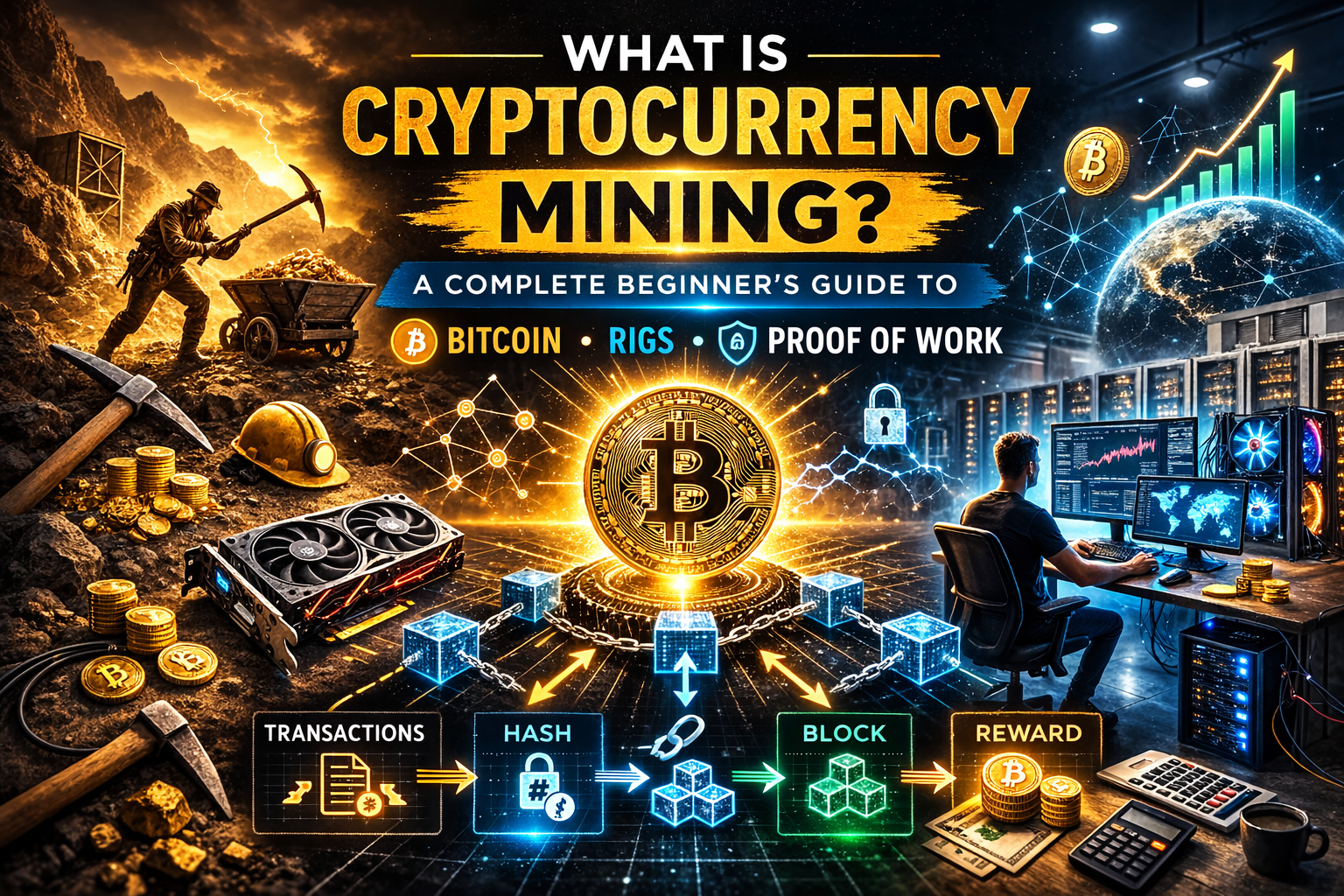
Cryptocurrency mining is one of the most misunderstood concepts in the crypto world.
In this lesson, we build on blockchain fundamentals and introduce mining in a way that gives you that “aha” moment.
By the end of this guide, you’ll understand:
- What mining actually is
- Why Bitcoin is compared to gold
- How miners secure the blockchain
- Why mining became industrialized
- What proof of work means
- Whether mining is still profitable today
Let’s break it down.
From the Gold Rush to the Bitcoin Rush

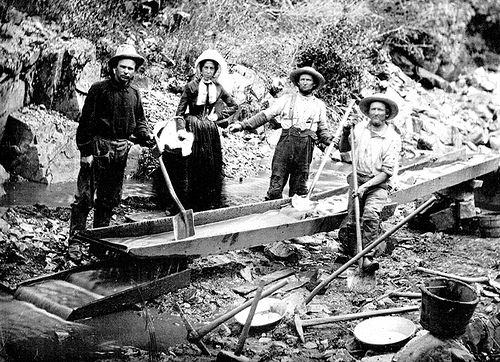
During the California Gold Rush of 1849, thousands rushed to San Francisco hoping to strike gold.
But here’s the fascinating part:
The people who often made the most money didn’t mine gold.
They sold the tools.
This same principle applies to cryptocurrency.
While many investors focus only on buying Bitcoin, there are entire industries that support crypto:
- Mining hardware manufacturers
- Data center operators
- GPU manufacturers
- Energy suppliers
- Mining pool operators
Just like telecom infrastructure companies dominated during the internet boom (think of Cisco Systems in the 1990s), crypto infrastructure companies may become powerful long-term plays.
Mining is the digital version of that gold rush.
Why Bitcoin Is Called “Digital Gold”
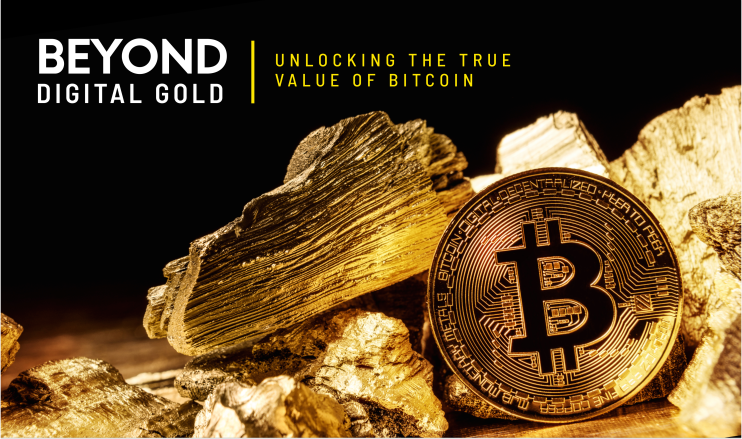
Bitcoin is often compared to gold. And for good reason.
- Gold is scarce.
- Bitcoin is mathematically scarce.
- Only 21 million Bitcoin will ever exist.
- This cap is enforced by code.
Unlike fiat currencies like the U.S. dollar where supply expands based on monetary policy, Bitcoin’s supply is fixed.
This idea emerged in 2009 when Satoshi Nakamoto launched Bitcoin during a period of aggressive monetary expansion.
Bitcoin is regulated by mathematics, not governments.
And because each Bitcoin can be divided into 100 million units (called satoshis), scarcity does not limit usability.
So… What Is Cryptocurrency Mining?
At a high level:
Mining is the process of securing the blockchain by solving complex mathematical problems.
When miners solve these problems:
- They validate transactions
- They secure the network
- They add new blocks to the blockchain
- They receive Bitcoin rewards
This process is called:
Proof of Work
Miners prove they performed computational work.
If they solve the cryptographic puzzle first, they earn the reward.
In the early days, the reward was 50 BTC per block. Over time, this reward halves a process called the “halving.”
Mining is competitive. Only one miner wins each block.
Capitalism becomes the motivator.
How Mining Strengthens the Blockchain
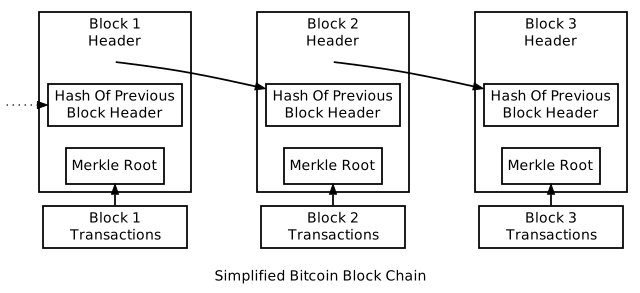
Each Bitcoin block contains:
- Transaction data
- A SHA-256 hash
- A reference to the previous block
This linking mechanism makes the blockchain tamper-resistant.
Here’s the key concept:
When a miner solves a block’s cryptographic puzzle:
- The block becomes validated
- The solution is embedded in the blockchain
- The chain becomes more secure
Every new block strengthens the ones before it.
If someone tried to alter a previous block, they would have to redo all the computational work for every block after it.
That’s practically impossible.
Mining is not just about earning Bitcoin.
It’s about maintaining network integrity.
Why Mining Became So Competitive
In 2009, mining Bitcoin was easy.
You could mine using:
- A basic laptop
- A standard CPU
- Even small computers like Raspberry Pi devices
But as Bitcoin’s price rose, more miners joined.
Just like oil drilling evolved from surface-level wells to massive offshore rigs operated by companies like ExxonMobiland Petrobras, Bitcoin mining evolved too.
Mining became industrial.
Today, large-scale operations use:
- ASIC miners (Application-Specific Integrated Circuits)
- Massive data centers
- Specialized cooling systems
- Cheap electricity sources
Small individual miners were priced out — unless they joined forces.
What Are Mining Pools?
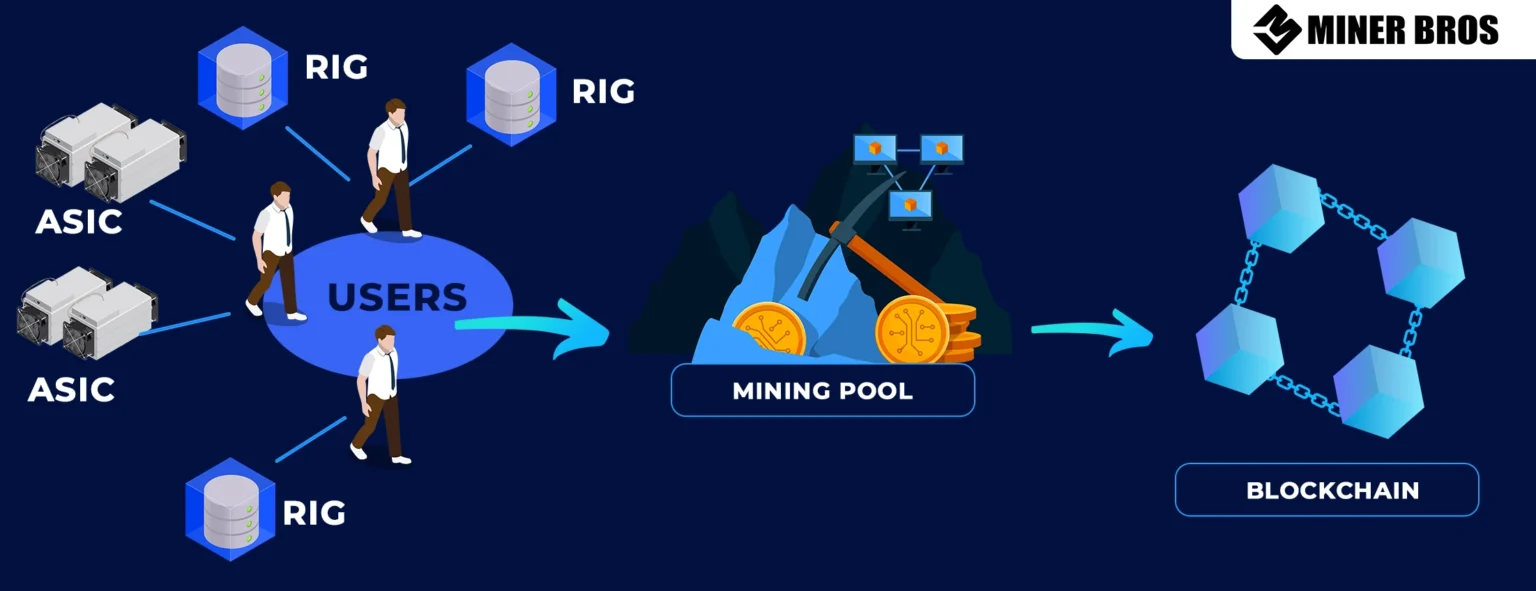
When mining became competitive, individuals began pooling resources.
A mining pool is:
A group of miners combining computational power to increase their chances of solving a block.
Instead of competing alone, miners:
- Contribute hash power
- Share rewards proportionally
This reduces variance and creates more predictable income.
Interestingly, at one point, mining pools in China controlled over 80% of global hash power, largely due to access to cheap electricity.
Energy cost is everything in mining.
Electricity: The Hidden Cost of Mining
Mining consumes significant electricity.
To determine profitability, miners calculate:
- Hardware cost
- Hash rate
- Block reward
- Mining difficulty
- Electricity cost per kWh
If your electricity is expensive, mining may not be profitable.
Mining is a business.
Margins matter.
The Mining Reward Structure
When Bitcoin launched:
- Block reward = 50 BTC
Over time, rewards halved:
- 50 BTC → 25 BTC
- 25 BTC → 12.5 BTC
- 12.5 BTC → 6.25 BTC
- And so on…
Eventually, all 21 million Bitcoin will be mined (estimated around 2140).
After that, miners earn transaction fees only.
Scarcity increases over time.
Beyond Bitcoin: Other Cryptocurrencies
Bitcoin uses Proof of Work.
Other cryptocurrencies have:
- Different use cases
- Different consensus mechanisms
- Different economic models
Some moved away from mining entirely (like Proof of Stake systems).
Mining is just one piece of the broader crypto ecosystem.
The Big Picture: Why Mining Matters
Mining is not just about “printing digital money.”
It:
- Secures the blockchain
- Prevents fraud
- Incentivizes honesty
- Distributes new coins
- Enforces scarcity
Without miners, Bitcoin doesn’t function.
Mining is the engine of decentralization.
Final Thoughts: Should You Mine or Invest?
There are multiple ways to profit from crypto:
- Buy and hold Bitcoin
- Mine Bitcoin
- Invest in mining infrastructure companies
- Invest in publicly traded crypto-related firms
- Participate in mining pools
Just like the gold rush, sometimes the suppliers win.
The key is understanding the ecosystem, not just the coin.
Mining represents the fusion of:
- Mathematics
- Incentives
- Competition
- Energy economics
- Cryptography
And that’s what makes it fascinating.
Key Takeaways
- Mining validates transactions and secures the blockchain.
- Bitcoin has a fixed supply of 21 million coins.
- Mining uses Proof of Work.
- Competition has made mining industrial-scale.
- Electricity cost determines profitability.
- Mining pools reduce risk for individuals.
Cryptocurrency mining is modern digital prospecting.
But instead of digging through rock, miners solve mathematical puzzles.
And instead of gold, they extract mathematically scarce digital assets.




Leave A Comment