Bitcoin mining has evolved dramatically. In the early days, you could mine Bitcoin (BTC) on a regular laptop. Today? That’s nearly impossible.
Mining Bitcoin has become extremely competitive. If you want to mine profitably, you need specialized hardware called an ASIC miner and you need to understand electricity costs before you spend a single dollar.
In this guide, we’ll break down:
- What ASIC mining is
- What’s inside a Bitcoin miner
- Why heat and electricity matter
- How companies like Facebook and Amazon manage massive mining-style data centers
- How to determine if mining is profitable where you live
Let’s dive in.
What Is an ASIC Miner?
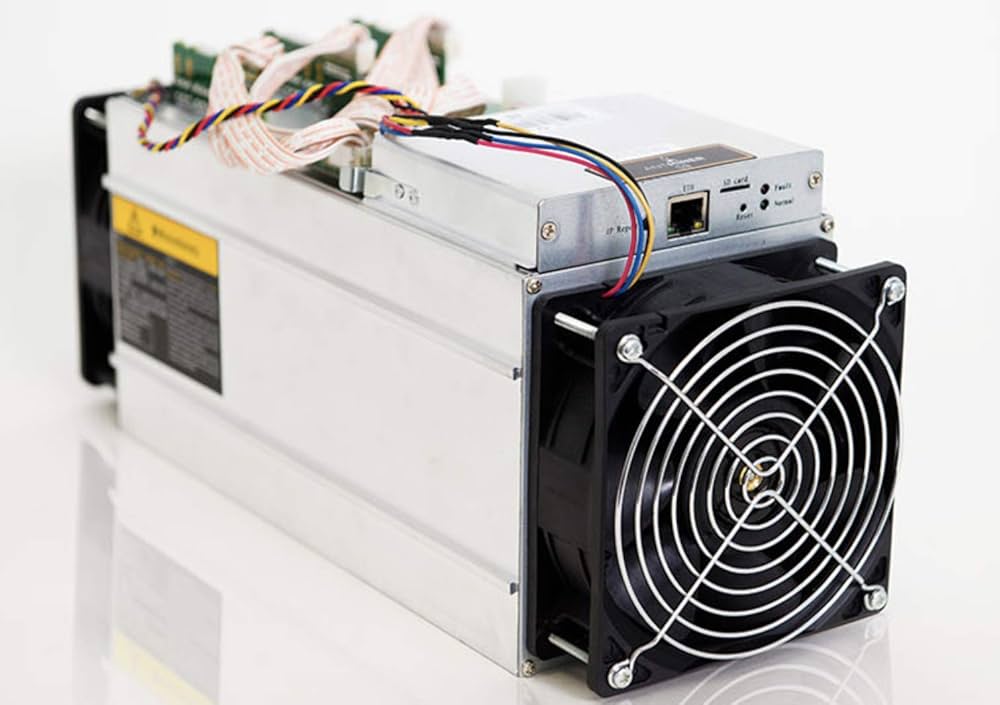
An ASIC stands for Application-Specific Integrated Circuit.
Unlike a regular CPU or GPU (which can run many different programs), an ASIC does one thing extremely well.
In Bitcoin mining, that one thing is:
Solving SHA-256 cryptographic hash functions as fast as possible.
Modern Bitcoin mining machines such as those made by Bitmain are designed exclusively to mine Bitcoin. They cannot browse the web. They cannot play games. They cannot run spreadsheets.
They mine Bitcoin. That’s it.
Because of this specialization, ASIC miners are:
- Extremely powerful
- Extremely loud
- Extremely power-hungry
- Extremely heat-intensive
And they become obsolete very quickly.
Why You Can’t Mine Bitcoin on a Normal Computer Anymore
Bitcoin mining difficulty adjusts automatically.
As more miners join the network, the system increases the difficulty of solving cryptographic puzzles. This keeps block times around 10 minutes.
Because of this:
- CPUs became obsolete
- GPUs became obsolete
- Now only ASIC miners compete effectively
Trying to mine Bitcoin with a regular PC today would cost you more in electricity than you would ever earn.
What’s Inside a Bitcoin ASIC Miner?
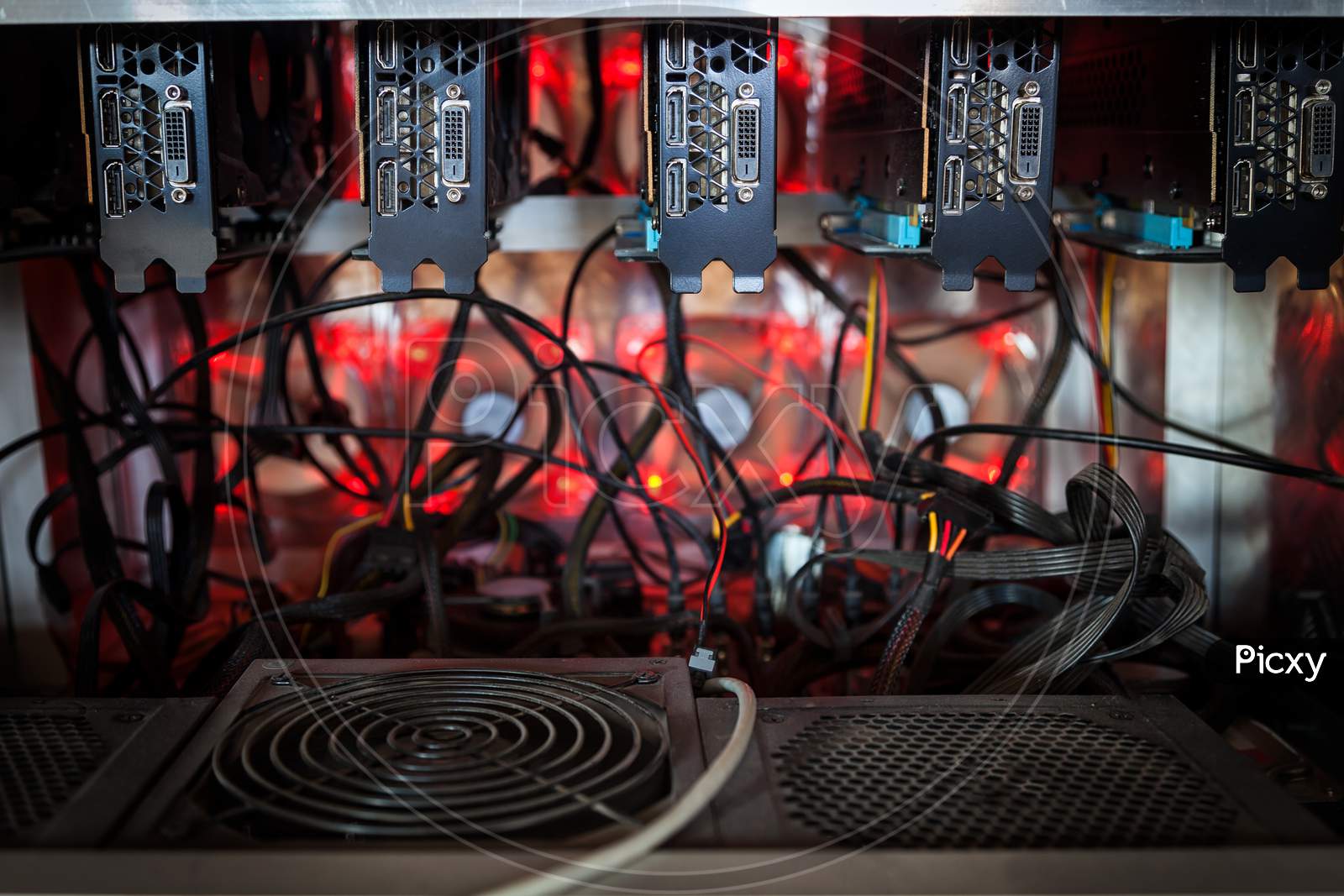
If you open an older ASIC miner, you’ll typically find:
1. Hashing Boards (ASIC Chips)
These are the specialized chips designed solely to compute Bitcoin’s SHA-256 algorithm.
They are the “brain” of the operation.
2. Motherboard / Control Board
Similar to a Raspberry Pi-style controller, this board:
- Manages configuration
- Connects to your mining pool
- Interfaces with your home network via Ethernet
3. Massive Heatsinks
Mining generates enormous heat. Heatsinks absorb and dissipate that heat to prevent damage.
4. Dual High-Speed Fans
These are industrial-grade fans on both ends of the unit. They:
- Pull cool air in
- Push hot air out
This is why ASIC miners sound like jet engines.
5. Power Supply Unit (PSU)
The power supply is usually separate and must match the miner’s voltage requirements exactly.
Always ensure compatibility for safety reasons.
The Real Cost of Bitcoin Mining: Electricity
The biggest expense in mining is NOT the hardware.
It’s electricity.
ASIC miners:
- Run 24/7
- Consume massive wattage
- Generate constant heat
This is why location matters.
If electricity is expensive where you live, mining may not be profitable.
Before buying equipment, calculate:
- Your local electricity cost per kWh
- Miner wattage consumption
- Expected hash rate
- Mining difficulty
- Bitcoin price
Only then can you determine profitability.
Why Data Centers Are Built in Cold, Cheap Regions


Companies like Meta Platforms and Amazon build massive data centers around the world.
Why?
Because:
- Cooling costs money
- Electricity costs money
- Heat destroys hardware
For example:
- Iowa offers affordable electricity
- Sweden offers naturally cold climates
- Oregon provides cool temperatures and renewable energy
Some facilities even create artificial climate systems to regulate temperature efficiently.
Bitcoin mining operations follow the same logic:
Cold climate + cheap electricity = competitive advantage
Noise and Safety Considerations
When you power on an ASIC miner for the first time, expect:
- Extreme noise
- High electrical load
- Significant heat output
Safety tips:
- Use proper power cables
- Avoid overloading circuits
- Consider dedicated fuse plugs
- Ensure proper ventilation
- Keep fire safety equipment nearby
ASICs continue running briefly even after unplugging which can be surprising at first.
Obsolescence Risk
Mining hardware becomes outdated fast.
Newer ASIC generations:
- Produce higher hash rates
- Consume less power per terahash
- Increase network difficulty
This means older miners become less profitable over time.
Mining is a hardware arms race.
Mining vs. Building a Custom GPU Rig
While Bitcoin requires ASICs, many other cryptocurrencies can still be mined with:
- GPU mining rigs
- Custom-built computers
In some cases, coins that are easy to mine today may eventually require ASICs in the future.
Understanding how ASIC miners work helps you understand the broader crypto mining ecosystem.
Should You Mine Bitcoin?
Before buying hardware, ask:
- Is electricity cheap where I live?
- Do I understand mining pools?
- Can I handle the noise?
- Do I have proper cooling?
- Have I calculated profitability?
Mining is not “plug and profit.”
It’s:
- Engineering
- Math
- Energy management
- Risk analysis
For many people, simply buying and holding Bitcoin may be more efficient.
Final Thoughts: Mining Is a Business, Not a Hobby
Bitcoin mining today is industrial.
It’s no longer a casual laptop experiment.
If you want to mine profitably, you must:
- Understand hardware
- Understand electricity economics
- Understand heat management
- Understand mining difficulty
When done correctly, mining can be profitable.
When done blindly, it becomes an expensive lesson.
Before purchasing equipment, run the numbers.
Because in Bitcoin mining, the real enemy isn’t competition.
It’s your electricity bill.




Leave A Comment