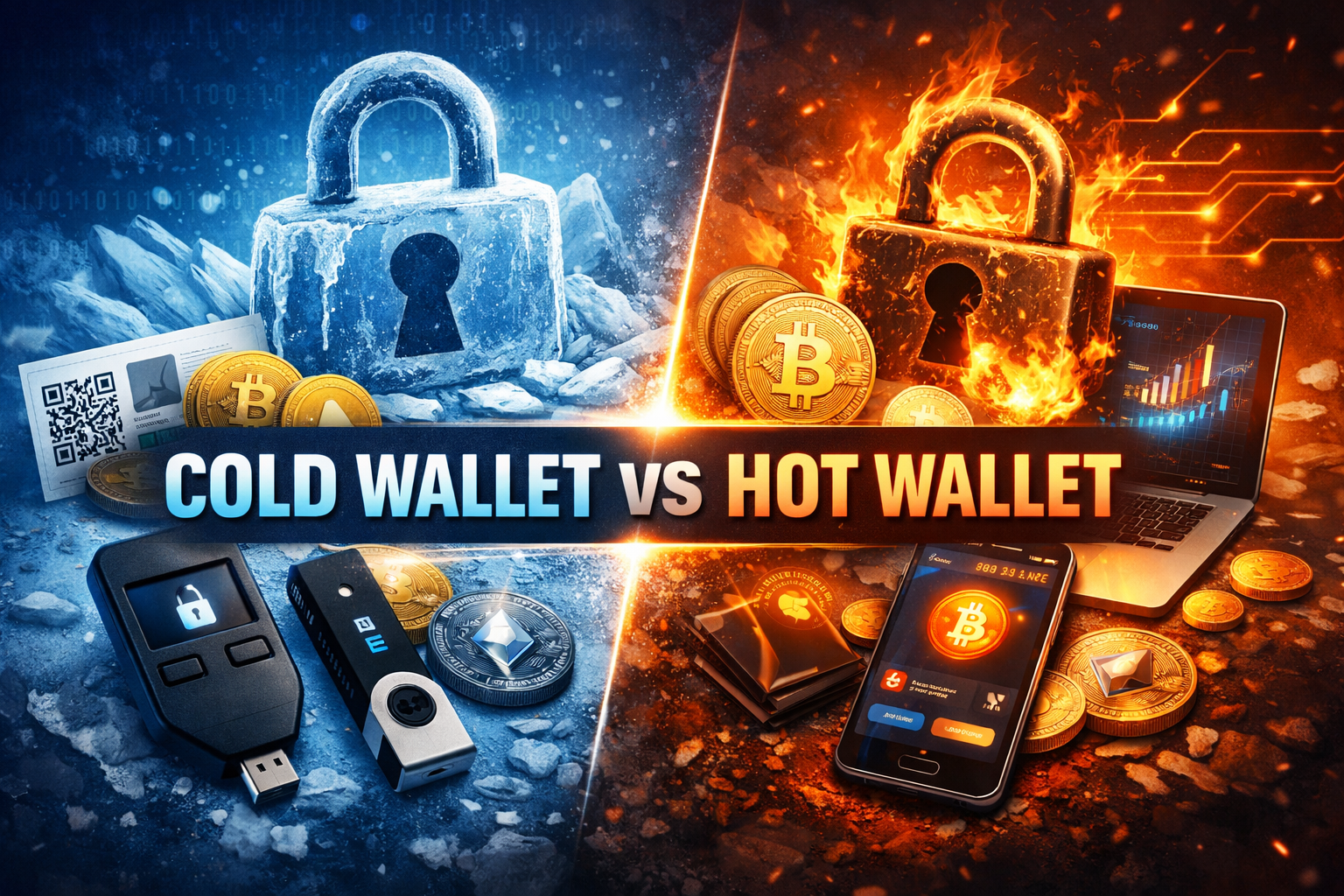
If you’ve already learned the basics of cryptocurrency security and cold wallets, it’s time to go deeper.
Before you ever buy or sell crypto, you must understand how wallets work, how to protect your private keys, and why diversification across wallet types matters just as much as diversifying your investment portfolio.
In this guide, we’ll break down:
- Advanced cold storage wallets
- Hot (online) wallets
- Hardware wallet comparisons
- Security best practices
- Why your wallet strategy matters as much as your investment strategy
Why Wallet Security Comes Before Investing
Cryptocurrencies are built on cryptography. There are no banks.
No credit card companies. No government safety nets in most cases.
When you hold crypto, you are your own bank.
That means:
- If your private key is compromised, your funds are gone.
- If your exchange account is hacked, recovery is not guaranteed.
- If you don’t diversify storage, you’re concentrating risk.
Before discussing buying or selling cryptocurrencies, it’s critical to build strong foundations in security and storage.
Cold Wallets (Offline Storage): The Gold Standard of Security
Cold wallets store your private keys offline, meaning they are not continuously exposed to the internet.
This dramatically reduces hacking risk.
1. Paper Wallets (Basic Cold Storage)
Paper wallets contain:
- A public key (to receive crypto)
- A private key (to access funds)
They are secure as long as no one sees your private key.
However, paper wallets are vulnerable to:
- Physical damage
- Loss
- Theft
That’s why more advanced cold storage solutions exist.
2. Hardware Wallets (Advanced Cold Storage)
Hardware wallets store your private keys on a secure physical device.
Your private key never leaves the device.
Here are some of the most recognized hardware wallets:
🔐 Trezor Hardware Wallet
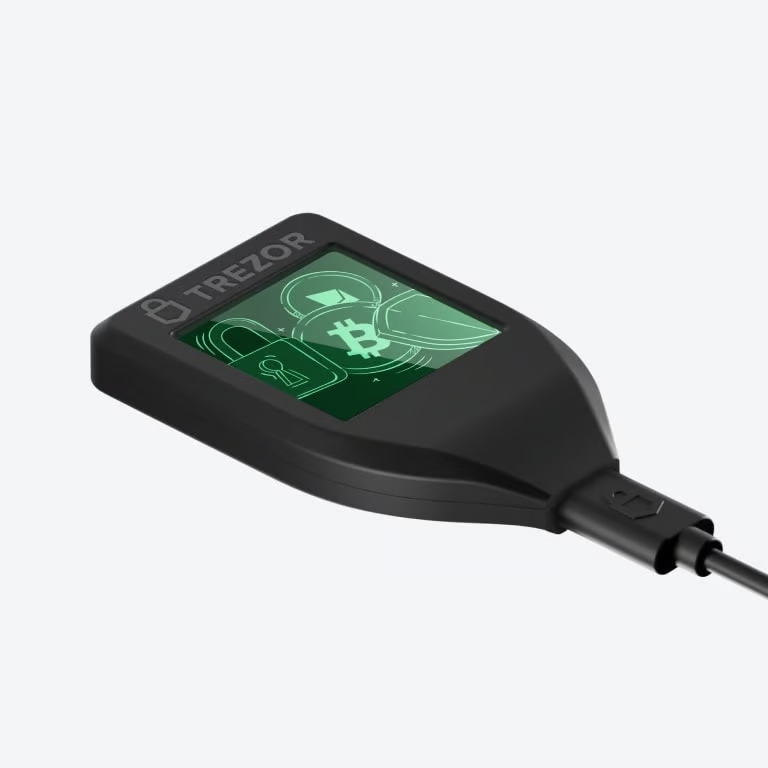
Trezor is one of the earliest hardware wallet manufacturers.
- Supports multiple cryptocurrencies
- Strong reputation for security
- Firmware updates available
- Built-in screen for transaction verification
Trezor devices support Bitcoin and many altcoins, though compatibility varies by model.
🔐 Ledger Nano Series
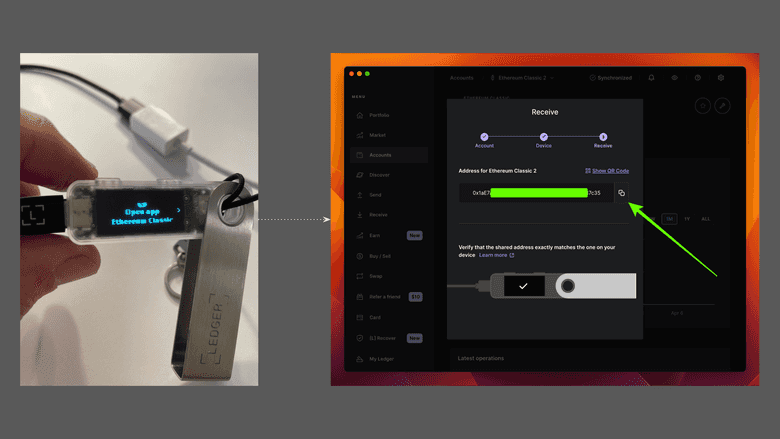
Ledger produces the popular Nano series.
- USB-like design
- Supports a wide range of cryptocurrencies
- Secure element chip
- Two-factor authentication
Ledger devices are widely used because of their multi-asset support and strong ecosystem.
🔐 KeepKey Hardware Wallet

KeepKey offers a simple and visually appealing hardware wallet.
- Large display
- Offline key storage
- Strong encryption
KeepKey supports major cryptocurrencies but fewer assets than some competitors.
Why Hardware Wallets Are Safer Than Paper Wallets
- Private keys remain inside the device
- Protected by PIN and 2FA
- Resistant to malware
- Firmware can be updated
If you’re serious about long-term crypto investing, hardware wallets should act as your “savings account.”
Hot Wallets (Online Storage): Convenience with Higher Risk
Hot wallets run on devices connected to the internet.
Examples include:
- Coinbase
- Electrum
- Blockchain.com wallets
- Mobile wallet apps

What Makes Hot Wallets Riskier?
- Private keys may be stored on company servers
- Always internet-connected
- Vulnerable to phishing and malware
- Dependent on platform security
Even though platforms like Coinbase combine hot and cold storage internally, your access credentials remain online.
That’s why many experienced crypto investors use this strategy:
- Hot wallet = checking account
- Cold wallet = savings account
Keep only what you plan to spend in your hot wallet.
Are Crypto Wallets Insured?
Unlike traditional bank deposits, cryptocurrency holdings are generally not government insured.
Some platforms claim limited insurance coverage (for example, Coinbase offers certain protections in specific jurisdictions), but:
- It is not equivalent to government deposit insurance.
- Policies may vary by country.
- Coverage limits apply.
Always verify what protections apply in your jurisdiction.
Why You Should Use Multiple Wallets
Diversification doesn’t just apply to investments.
It applies to storage.
Reasons to use more than one wallet:
- Some wallets don’t support certain cryptocurrencies.
- Regulatory restrictions vary by country.
- Platform risk can change over time.
- Firmware updates differ by device.
Never put all your crypto in one wallet.
Essential Security Best Practices
Security is not a one-time setup. It’s an ongoing discipline.
Here’s what you should do:
1. Never Expose Your Private Key
If someone sees it, they can access your funds.
2. Use Paid Security Software
Free antivirus software is rarely sufficient. Invest in reputable cybersecurity tools.
3. Update Firmware Regularly
Hardware wallets require updates, just like smartphones.
4. Unplug Hardware Wallets When Not in Use
Never leave them connected to your computer.
5. Consider a Dedicated Device for Crypto
If storing significant funds in hot wallets, consider using a dedicated computer.
6. Monitor Security News
When major companies are hacked, study how it happened.
Cybersecurity evolves constantly.
Cold Wallet vs Hot Wallet: Quick Comparison
| Feature | Cold Wallet | Hot Wallet |
|---|---|---|
| Internet Connection | Offline | Online |
| Security Level | Very High | Moderate |
| Convenience | Moderate | High |
| Best For | Long-term storage | Transactions & spending |
| Private Key Storage | On device | Often on servers |
The Bigger Picture: Portfolio Strategy
Wallet selection is just one piece of the puzzle.
Eventually, you should:
- Diversify across cryptocurrencies
- Diversify across asset classes (stocks, bonds, real estate, commodities, crypto)
- Define maximum exposure limits per asset
Cryptocurrency should be part of a broader strategy not your entire net worth.
Final Thoughts: Foundations Before Transactions
Before buying crypto:
- Understand wallet security
- Understand private keys
- Understand cold vs hot storage
- Understand diversification
Part 1 of your crypto journey is about foundations.
Because in cryptocurrency, security isn’t optional.
It’s everything.




Leave A Comment