
Before you invest a single dollar into cryptocurrency, you need to understand one powerful truth:
You do not control the supply of traditional money. Governments do.
And how they do it directly impacts interest rates, inflation, your purchasing power, and even the long-term potential of cryptocurrencies.
In this guide, we’ll break down:
- How governments change the value of their currency
- How bonds influence money supply and interest rates
- Why banks profit from the system
- Why some governments feel threatened by crypto
- What this means for long-term cryptocurrency investors
If you get the macro wrong, the micro doesn’t matter.
How Governments Raise Money (It’s Not Just Taxes)
Many people assume governments fund everything through taxes.
That’s not even close.
Governments fund massive projects like wars, infrastructure, dams, railroads, roads primarily by issuing bonds.
A bond is essentially a contract:
You lend the government money today.
They promise to pay you back later with interest.
Let’s look at real historical examples.
🇺🇸 United States War Savings Bonds (World War II)
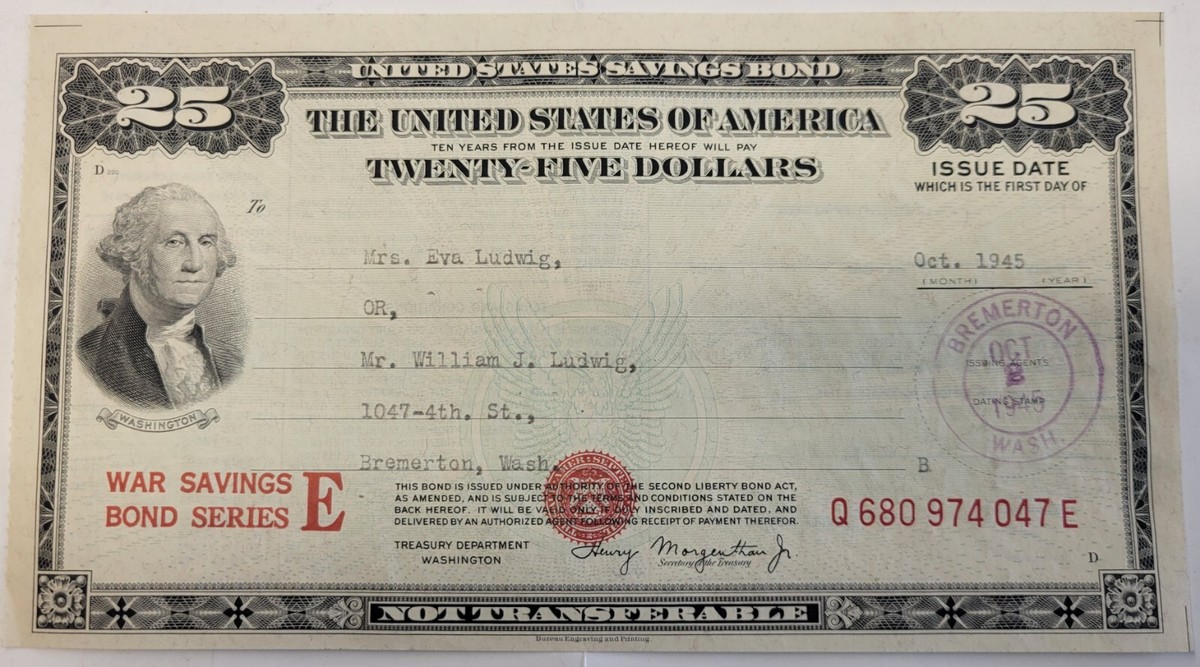
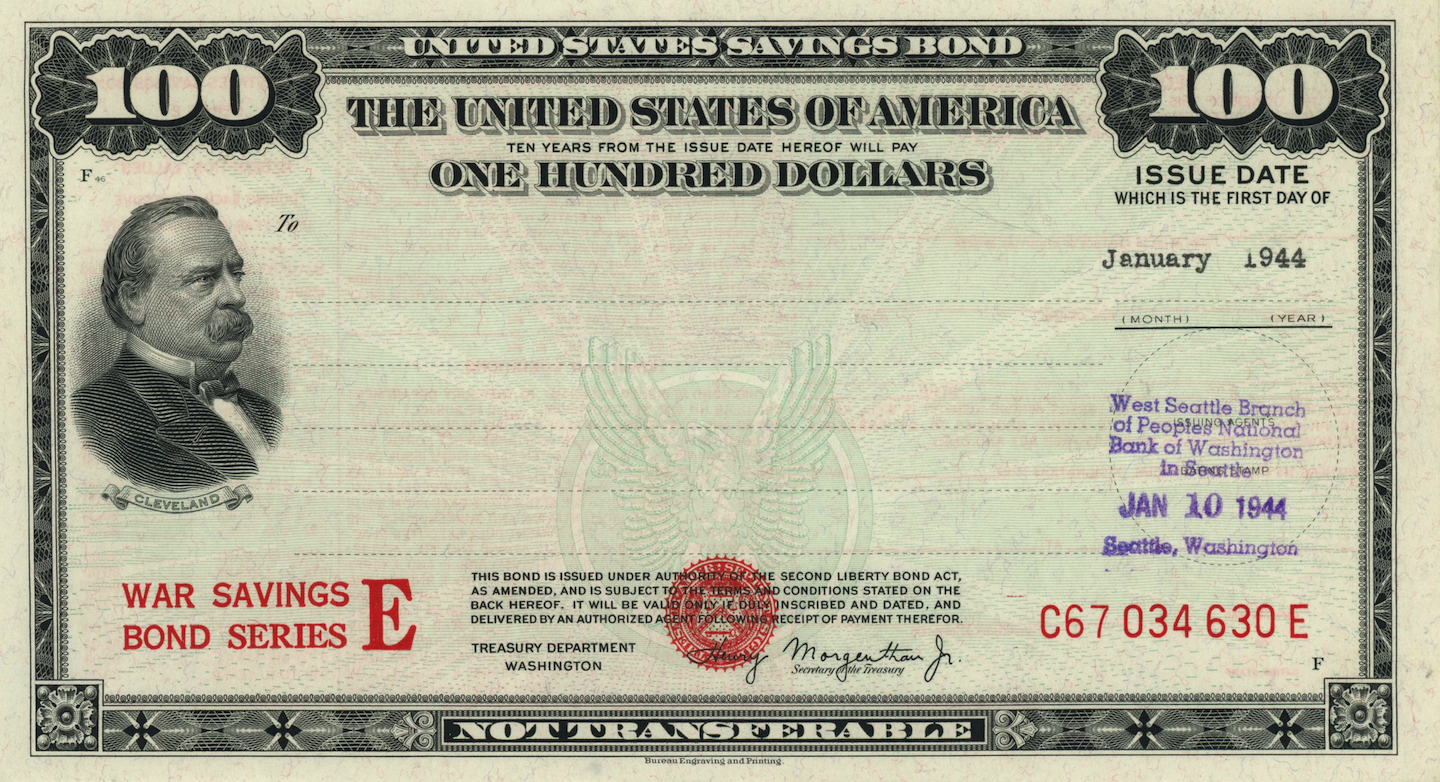

In January 1945, the U.S. government didn’t know how long World War II would last. It needed money fast.
So it issued War Savings Bonds.
Here’s how it worked:
- You paid $18.75
- The government promised to repay $25 in 10 years
Multiply that millions of times, and suddenly the government raises hundreds of millions of dollars.
What Happens to Money Supply?
When citizens buy bonds:
- Cash leaves circulation
- Money supply decreases
- The “price” of money rises
- Interest rates increase
It’s basic supply and demand.
Less money circulating = money becomes more valuable.
🇨🇦 Canada’s War Bond Campaigns



In 1945, Canada aggressively marketed war bonds to fund the war effort.
This wasn’t just fundraising.
It was monetary policy in action.
Governments actively encourage citizens to exchange cash for debt instruments — effectively controlling money circulation.
Sound familiar?
It should.
Crypto projects market their ICOs (Initial Coin Offerings) the same way. Which is why you must understand the incentives behind marketing before investing.
🇷🇺 Russian Bonds (World War I)



In 1917, Russia issued bonds to fund World War I.
Again:
- Government needs money
- Citizens lend money
- Money leaves circulation
- Supply shifts
This mechanism is universal across governments.
🇪🇬 Egyptian Nile Dam Bonds (1898)



In 1898, Egypt issued bonds to finance a dam on the Nile River.
Interesting details:
- Written in French
- Issued in London
- Sold below face value
- Redeemed later at full value
Governments have long manipulated currency supply through bond issuance.
This is not new.
It’s simply well-disguised.
How Bond Issuance Changes Interest Rates
Let’s simplify the mechanics:
Step 1: Government Sells Bonds
- Public gives cash
- Cash leaves circulation
- Money supply decreases
Result:
Money becomes scarcer → interest rates rise
Step 2: Government Redeems Bonds
- Government pays back bondholders
- Cash re-enters circulation
- Money supply increases
Result:
More money → currency value drops → inflation risk rises
This is how governments influence:
- Inflation
- Deflation
- Interest rates
- Economic activity
And you have zero control over it.
Investment Banks Profit From This System

When governments and corporations issue bonds, who makes billions?
Investment banks like:
- JPMorgan Chase
- The Walt Disney Company (which raised capital for EuroDisney in 1983)
- IBM (issuing stock certificates)
Banks underwrite bonds and stocks. They collect massive fees.
Now ask yourself:
If cryptocurrencies reduce governments’ need to issue bonds…
What happens to banks’ profits?
This is why some bank CEOs have historically criticized crypto.
Everyone has incentives.
Everyone has bias.
Understanding bias is part of macro crypto analysis.
Why Governments May View Crypto as a Threat

Imagine this scenario:
You convert 5% of your net worth from fiat currency into Bitcoin.
What happens?
- Demand for your country’s currency falls
- Currency value weakens
- Government has less monetary control
Now imagine 20% conversion.
Some countries could face serious financial instability.
Why?
Because many governments pay interest on existing debt by issuing new debt.
If demand for government bonds drops significantly:
- Borrowing becomes expensive
- Budgets strain
- National security funding weakens
Now you understand why some governments impose strict cryptocurrency regulations.
It’s not just about “protecting investors.”
It’s about maintaining monetary power.
Macro First, Micro Second
Before researching:
- Mining operations
- ICO tokenomics
- Layer 1 vs Layer 2 protocols
- Individual altcoins
You must understand:
- Monetary supply
- Bond markets
- Government incentives
- Banking incentives
- Geopolitical risk
Macro determines the playing field.
Micro determines your execution.
If you misunderstand the macro forces shaping cryptocurrency adoption, your individual coin research becomes irrelevant.
The Hidden Cost of Crypto: Security

There’s one more critical piece.
When you move money from banks into cryptocurrency:
You gain autonomy.
But you lose certain protections.
With banks:
- Fraudulent credit card charges can be reversed
- Deposits are often insured (e.g., FDIC in the U.S. up to $250,000)
- Customer support exists
With crypto:
- If your private key is lost, funds are gone
- If you send funds to the wrong address, they’re gone
- No central authority guarantees recovery
Freedom comes with responsibility.
And security risk.
Understanding private key generation, cold storage, and custody is essential before allocating serious capital to crypto.
Final Thoughts: Why This Matters for Long-Term Crypto Investing
Cryptocurrency isn’t just a speculative asset class.
It represents:
- A challenge to government monetary control
- A disruption to investment banking revenue
- A shift in how contracts are executed (blockchain and smart contracts)
- A rethinking of trust
But power structures don’t disappear quietly.
If you want to profit long term from crypto:
- Understand fiat systems deeply
- Understand bond markets
- Understand government incentives
- Understand banking incentives
- Then analyze individual cryptocurrencies
The forest matters more than the trees.
Get the macro right.
Then and only then move into micro crypto analysis.




Leave A Comment