
Choosing the right cryptocurrency wallet is one of the most important decisions you will make as a crypto investor.
Whether you are holding Bitcoin for the long term or making daily transactions with multiple coins, your wallet determines how secure and accessible your digital assets will be.
Before selecting a wallet, ask yourself these four essential questions:
- How do you intend to use the wallet
- Do you need it for daily transactions or long term investment
- Will you store one cryptocurrency or several
- Do you need access from anywhere or only at home
There is no one size fits all wallet. The best cryptocurrency wallet depends entirely on your goals, habits, and security standards.
Key Features to Look for in a Cryptocurrency Wallet
When comparing digital wallets, focus on three core attributes:
- Security
- Accessibility
- Diversification
1. Security Comes First
Security should always be your top priority.
Many crypto investors lose funds because their storage method was not secure enough.
Important security features include:
- Private key control
- Two factor authentication
- QR code protection
- Strong security parameters
- Backup and recovery options
Ultimately, wallet security also depends on the owner.
Even the best wallet can be compromised if you mishandle your private keys or ignore basic precautions.
Cold Storage Wallets: The Most Secure Option
Cold storage wallets store cryptocurrency offline, making them far less vulnerable to online attacks.
Two of the most trusted hardware wallets are:
- Trezor
- Ledger

These hardware wallets have built in screens and operate independently from your computer once set up.
They are considered highly secure because your private keys never leave the device.
Paper wallets are another form of cold storage.
They may seem simple, but they can be relatively secure if created properly.
Since they are stored offline, they are not directly exposed to hackers. However, they are more vulnerable to physical damage or loss.
If you use cold storage, store your wallet in a high quality safe that is bolted down.
Treat it like a passport or large amount of cash.
Physical security matters just as much as digital security.
Cold storage is ideal if:
- You do not transact frequently
- You are holding cryptocurrency long term
- Security is your highest priority
2. Accessibility and Hot Wallets
If you plan to buy, sell, or transfer cryptocurrency regularly, a hot wallet may be more practical.
Hot wallets are connected to the internet.
They are easier to access but less secure than cold wallets because they are online.
Examples include:
- Coinbase
- Electrum
- Blockchain.com
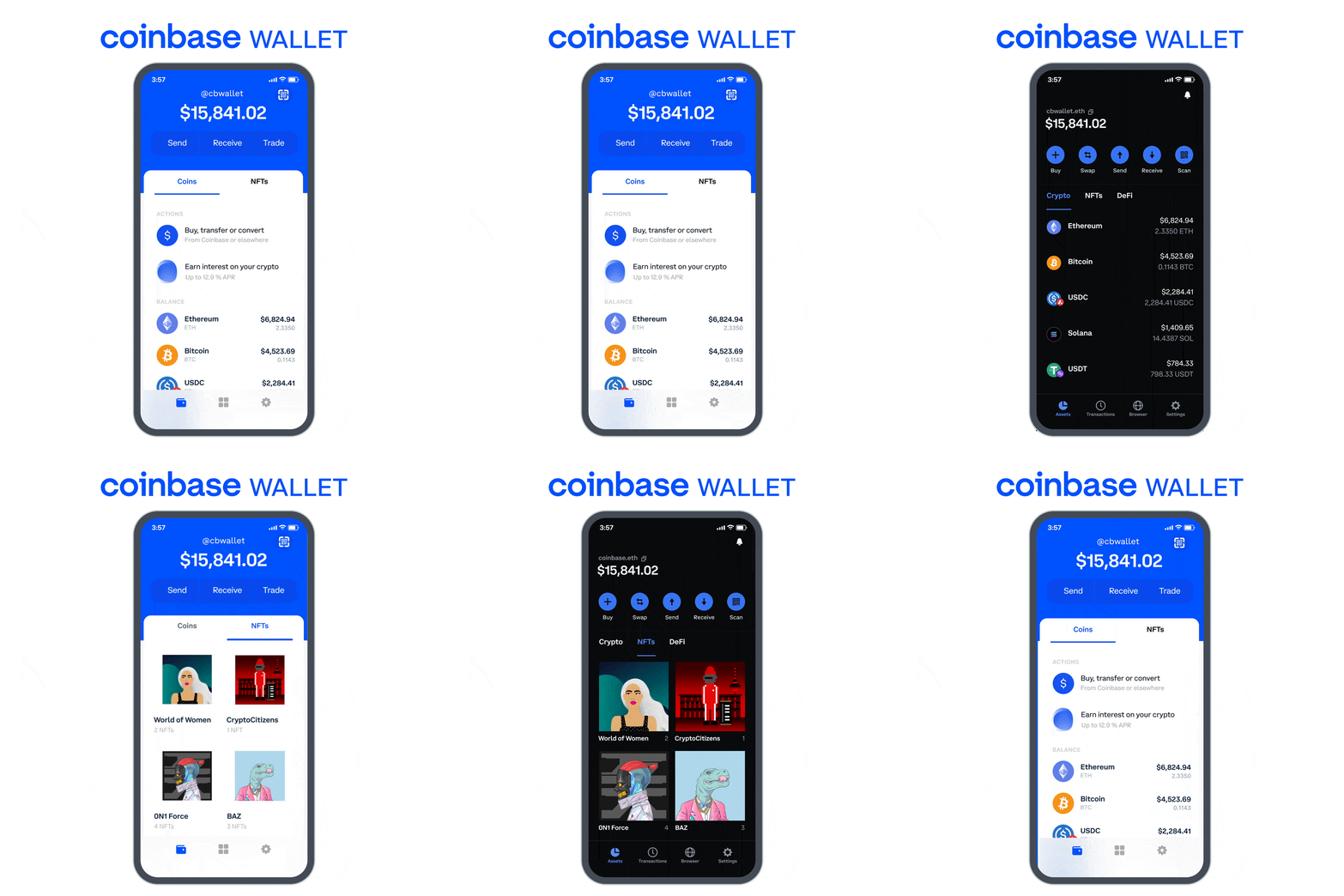
These wallets run on your smartphone or computer and allow for fast daily transactions.
They are convenient and user friendly, especially for beginners.
Hot wallets are best if:
- You transact daily
- You need quick access to funds
- You trade multiple cryptocurrencies frequently
However, because they are online, they require extra caution.
Always enable two factor authentication and use strong passwords.
Cold Wallet vs Hot Wallet: Which Is Better?
There is no universally better option. It depends on your needs.
If you are a long term investor who rarely moves funds, a hardware wallet such as Trezor or Ledger may be ideal.
If you are actively trading or making payments, a software wallet like Coinbase or Electrum may be more practical.
Many experienced investors use both. For example:
- Store the majority of funds in cold storage
- Keep a smaller amount in a hot wallet for daily transactions
This balanced approach improves both security and flexibility.
The Importance of Wallet Diversification
Wallet diversification means using multiple wallets instead of relying on just one.
This can help if:
- You misplace a private key
- A device is damaged
- One wallet provider experiences issues
Different wallets also support different cryptocurrencies.
If you plan to store multiple coins, ensure your chosen wallet supports them.
Always double check that the wallet operates legally and effectively in your country before purchasing or downloading it.
Final Thoughts: Choosing the Right Crypto Wallet
Selecting the best cryptocurrency wallet is not about finding the most popular option. It is about finding the right balance between:
- Security
- Accessibility
- Currency support
- Your personal usage habits
Ask yourself the four core questions before deciding. Determine whether you need daily access or long term protection.
Consider whether you will hold one coin or many.
Think about where and how you need access.
By understanding cold storage, hot wallets, private keys, and diversification, you will be well prepared to protect your digital assets.
The right wallet strategy can save you money, stress, and time.
Make the decision carefully, and your cryptocurrency will be stored safely for years to come.


Leave A Comment