The year 2017 was a landmark period for cryptocurrency. Initial Coin Offerings, known as ICOs, exploded in popularity as blockchain startups raised hundreds of millions of dollars in token sales.
In this post, we will explore three of the most significant ICOs of that era:
- Filecoin
- Tezos
- EOS
We will break down how much they raised, what problems they aimed to solve, and the major lessons investors can learn from each project.
1. Filecoin ICO: The Largest ICO of Its Time
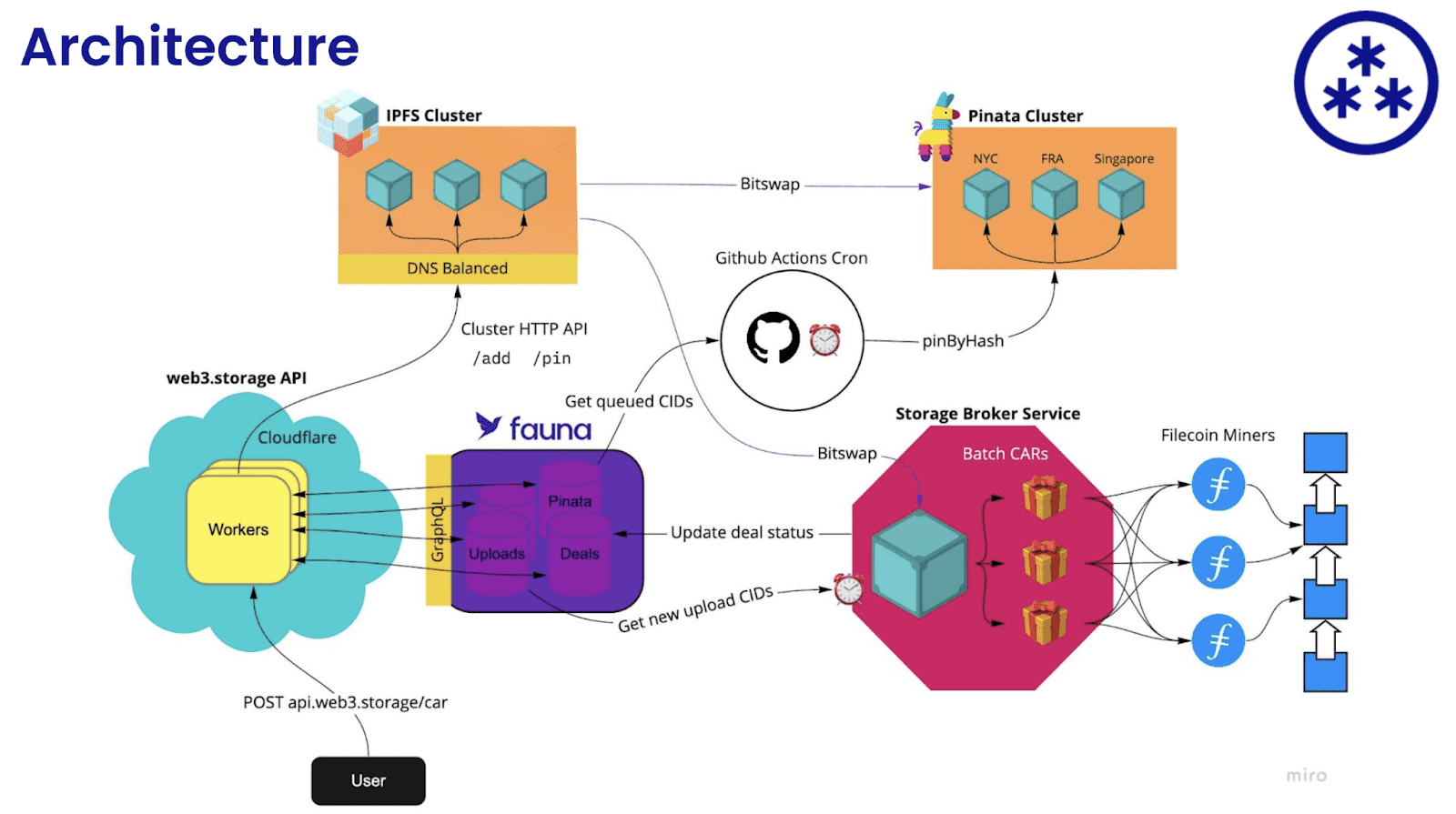
Filecoin is a decentralized storage network designed to allow users to store data on a distributed blockchain based system.
How Much Did Filecoin Raise?
The Filecoin ICO raised $257 million in multiple rounds of token sales in 2017. At the time, it was:
- The largest ICO in 2017
- The largest ICO in cryptocurrency history up to that point
Who Invested in Filecoin?
Roughly 150 investors participated in the advisory round, including:
- Andreessen Horowitz
- Sequoia Capital
- Winklevoss Capital
This list of investors added credibility to the project. While you should always do your own research, strong institutional backing can provide additional confidence.
Token Allocation Breakdown
The Filecoin ICO allocated tokens as follows:
- 10 percent to advisors and ICO investors in the $52 million round
- 15 percent to Protocol Labs, Filecoin’s parent company
- 5 percent to a new foundation
- 70 percent reserved for mining rewards
Accredited Investors Only
One major drawback was that the ICO was only available to accredited investors. In the United States, this generally means individuals with:
- $200,000 or more in annual income
- Over $1,000,000 in net worth
This restriction excluded many retail investors. Governments often impose these rules to protect consumers from high risk investments.
CoinList and Regulatory Compliance
Filecoin was also the first ICO launched on CoinList, a platform designed to facilitate SEC compliant ICOs. This marked a significant step toward potential regulatory oversight in the ICO space.
2. Tezos ICO: Governance and Smart Contracts

Tezos is a self amending distributed ledger that enables the creation of smart contracts.
How Much Did Tezos Raise?
The Tezos ICO raised over $232 million in July 2017, making it the second largest ICO in cryptocurrency history at that time.
What Made Tezos Unique?
Tezos introduced a governance model that allowed token holders to:
- Vote on protocol upgrades
- Fund development improvements
- Help solve scalability challenges
This built in governance model aimed to prevent network splits and development disputes before they became major problems.
Key Takeaway from Tezos
Projects that solve large scale problems such as blockchain governance and scalability tend to attract significant capital.
The bigger the problem, the larger the market opportunity. This pattern is not limited to crypto. Traditional tech companies have followed the same formula for decades by solving infrastructure level problems.
3. EOS ICO: The Ethereum Challenger

EOS positioned itself as a scalable smart contract platform. Some investors referred to it as a potential Ethereum killer.
How Much Did EOS Raise?
The EOS ICO raised over $185 million in June 2017.
Unlike Filecoin, the EOS crowdsale was open to the public and not restricted to accredited investors.
EOS Token Sale Details
- The crowdsale closed at 1 billion EOS tokens
- Strong backing from Chinese investors
- Positioned as an alternative to Ethereum for smart contracts
Many viewed EOS as a competitor to Ethereum due to its scalability ambitions.
Key Takeaways from EOS
- Improving on an existing popular technology can generate strong investor interest.
- A world class team significantly increases the probability of a successful token sale.
Strong branding and leadership often create momentum that becomes somewhat self reinforcing during a crowdsale.
Major Lessons from These Three ICOs
When we step back and analyze Filecoin, Tezos, and EOS together, several themes emerge.
1. Solve Real Problems
The most successful ICOs focused on real world challenges:
- Decentralized storage
- Blockchain governance
- Smart contract scalability
Speculation alone does not sustain long term value. Utility matters.
2. Strong Teams Attract Capital
Institutional investors and experienced founding teams increase credibility. While you should never blindly follow investors, their participation can signal due diligence.
3. Regulation Matters
Filecoin’s use of CoinList and accredited investor restrictions showed early attempts to bring structure to ICO markets. Regulatory clarity can improve investor protection.
4. Bigger Problems Equal Bigger Opportunities
The larger the market problem, the larger the potential upside. This applies to crypto, startups, and traditional IPOs alike.
Final Thoughts
The 2017 ICO boom taught the crypto world powerful lessons about innovation, governance, regulation, and investor psychology.
Whether you are researching token sales, evaluating blockchain startups, or building your own crypto framework, remember:
- Do your own research
- Understand token allocation structures
- Evaluate the team
- Analyze the real world problem being solved
No investor is smarter than you when you take the time to learn, think critically, and analyze data for yourself.
Crypto rewards those who combine curiosity with discipline.




Leave A Comment